
CMMC vs IEC 62443
CMMC
DoD certification framework for DIB cybersecurity maturity levels
IEC 62443
International standard for IACS cybersecurity frameworks
Quick Verdict
CMMC mandates NIST-aligned cybersecurity certification for DoD contractors protecting FCI/CUI via tiered assessments, ensuring supply chain compliance. IEC 62443 provides voluntary OT/IACS standards with zones, security levels, and supplier lifecycle requirements for industrial resilience worldwide.
CMMC
Cybersecurity Maturity Model Certification (CMMC) 2.0
Key Features
- Three cumulative levels for FCI, CUI, APT protection
- Self, C3PAO, DIBCAC assessment paths by level
- Direct NIST 800-171/172 and FAR control mapping
- Mandatory subcontractor flow-down via DFARS clauses
- 180-day POA&M closure with SPRS affirmations
IEC 62443
IEC 62443: Security for industrial automation systems
Key Features
- Zones and conduits for risk-based segmentation
- Security Levels SL-T, SL-C, SL-A triad
- Shared responsibility across stakeholders model
- Seven Foundational Requirements FR1-FR7
- ISASecure modular certification schemes
Detailed Analysis
A comprehensive look at the specific requirements, scope, and impact of each standard.
CMMC Details
What It Is
Cybersecurity Maturity Model Certification (CMMC) 2.0 is a U.S. Department of Defense (DoD) certification program ensuring cybersecurity protections for Federal Contract Information (FCI) and Controlled Unclassified Information (CUI) in the Defense Industrial Base (DIB). It uses a tiered, risk-based model with three cumulative levels drawn from FAR 52.204-21, NIST SP 800-171 Rev 2, and NIST SP 800-172.
Key Components
- **LevelsLevel 1 (15 basic FAR controls for FCI); Level 2 (110 NIST 800-171 controls for CUI); Level 3 (+24 NIST 800-172 for APTs).
- 14 domains (e.g., Access Control, Incident Response, Risk Assessment).
- Assessment via self, C3PAO, or DIBCAC; SSP, POA&Ms (180-day limit), SPRS/eMASS reporting.
Why Organizations Use It
- Mandatory for DoD contracts/solicitations to avoid disqualification.
- Mitigates supply chain risks, reduces breaches, lowers insurance costs.
- Builds competitive edge, primes prefer certified subs; enhances resilience/reputation.
Implementation Overview
- Phased: governance, scoping/gaps, remediation, assessment, sustainment (6-18 months).
- Targets all DIB primes/subs handling FCI/CUI; high costs for SMEs ($100K+).
- Requires evidence collection, training, continuous monitoring.
IEC 62443 Details
What It Is
IEC 62443 is the international consensus-based series of standards for securing Industrial Automation and Control Systems (IACS). It provides a comprehensive, risk-based framework spanning governance, risk assessment, system architecture, and component requirements tailored to OT environments with unique constraints like safety and availability.
Key Components
- Four groupings: General (-1), Policies (-2), System (-3), Components (-4)
- Seven Foundational Requirements (FR1-7) like authentication, integrity, and availability
- Zones/conduits model and Security Levels (SL0-4) with SL-T/C/A
- ~140 component requirements; maturity levels (ML1-4); ISASecure certifications (SDLA, CSA, SSA)
Why Organizations Use It
- Mitigates OT cyber risks impacting safety/production
- Meets regulatory references (e.g., NIS-2, NERC CIP)
- Enables supplier assurance, procurement specs, insurance benefits
- Builds stakeholder trust via certified compliance
Implementation Overview
Phased: governance (2-1), risk/segmentation (3-2), controls (3-3/4-2). Applies to critical infrastructure globally; requires OT expertise, audits, certifications for high-maturity.
Key Differences
| Aspect | CMMC | IEC 62443 |
|---|---|---|
| Scope | NIST-based cybersecurity for FCI/CUI protection | IACS/OT lifecycle security with zones/conduits |
| Industry | DoD contractors and subcontractors | Industrial automation across sectors globally |
| Nature | Mandatory DoD certification program | Voluntary international consensus standards |
| Testing | Self/C3PAO/DIBCAC assessments every 3 years | ISASecure modular certifications for components/systems |
| Penalties | Contract ineligibility and debarment | No legal penalties, market/reputational risks |
Scope
Industry
Nature
Testing
Penalties
Frequently Asked Questions
Common questions about CMMC and IEC 62443
CMMC FAQ
IEC 62443 FAQ
You Might also be Interested in These Articles...

From SOC to AI-Native CDC: Redefining Triage and Response in 2026
Explore the shift from SOCs to AI-Native CDCs. Autonomous agents handle Tier 1 triage in 2026, empowering analysts for complex threats. Discover the future of c

From Reactive Gatekeeper to Proactive Strategist: How Compliance Software Reshapes the Compliance Professional's Day
Discover how compliance software automates monitoring, delivers real-time insights, and transforms compliance pros from reactive gatekeepers to proactive strate
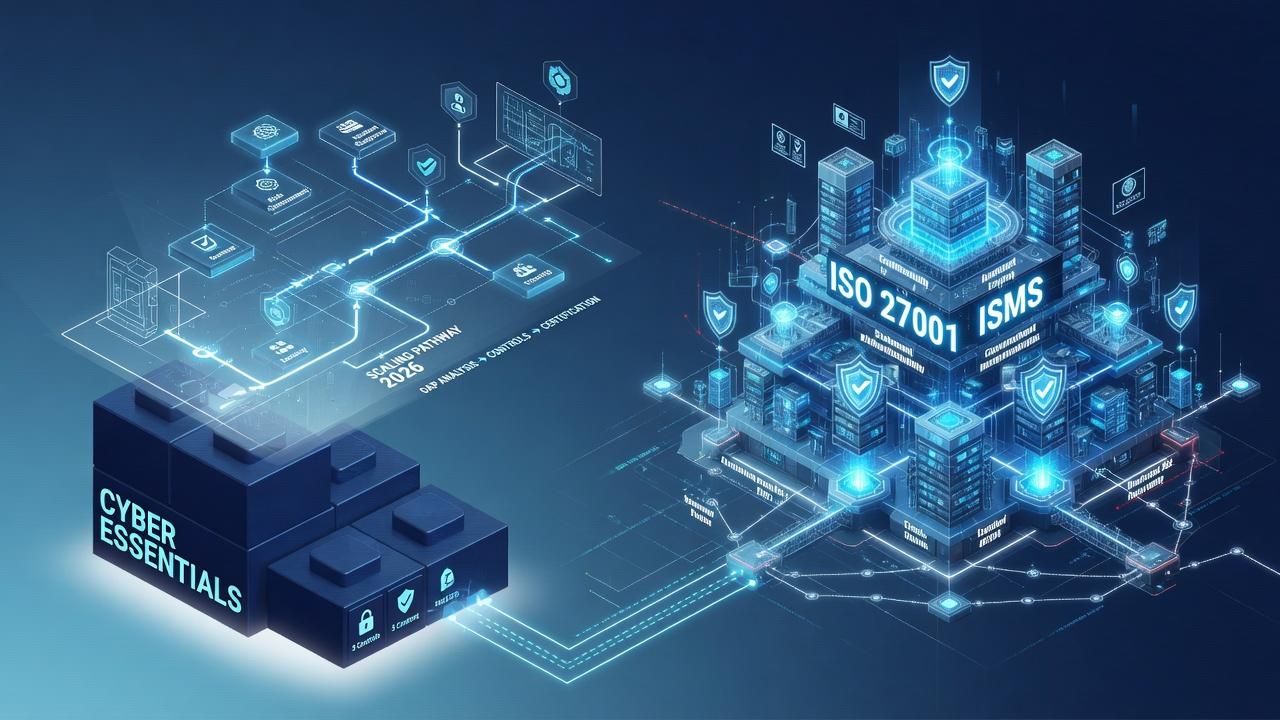
From Hygiene to Governance: How to Scale Cyber Essentials into a Full ISO 27001 ISMS in 2026
Discover how to scale Cyber Essentials into a full ISO 27001 ISMS in 2026. Reuse evidence, map controls, meet DORA & NIS2 rules and win enterprise contracts.
Run Maturity Assessments with GRADUM
Transform your compliance journey with our AI-powered assessment platform
Assess your organization's maturity across multiple standards and regulations including ISO 27001, DORA, NIS2, NIST, GDPR, and hundreds more. Get actionable insights and track your progress with collaborative, AI-powered evaluations.
Explore More Comparisons
See how CMMC and IEC 62443 compare against other standards