
ENERGY STAR vs FSSC 22000
ENERGY STAR
U.S. voluntary program for energy efficiency certification
FSSC 22000
GFSI-benchmarked certification scheme for food safety management systems
Quick Verdict
ENERGY STAR drives energy efficiency certification for products and buildings via voluntary benchmarking, while FSSC 22000 ensures food safety through mandatory audits and PRPs. Companies adopt ENERGY STAR for cost savings and reputation; FSSC for global supply chain compliance.
ENERGY STAR
U.S. EPA ENERGY STAR Program
Key Features
- Mandatory third-party certification and verification testing
- Category-specific performance thresholds above federal standards
- Standardized DOE test procedures for measurements
- Portfolio Manager for building benchmarking scores
- Strict brand governance and labeling rules
FSSC 22000
FSSC 22000 Food Safety System Certification
Key Features
- GFSI-benchmarked for global food chain recognition
- Integrates ISO 22000, PRPs, and additional requirements
- Mandates food defense and fraud vulnerability assessments
- Requires allergen management validation and verification
- Emphasizes food safety culture objectives and KPIs
Detailed Analysis
A comprehensive look at the specific requirements, scope, and impact of each standard.
ENERGY STAR Details
What It Is
ENERGY STAR is a U.S. government-backed voluntary labeling and benchmarking program administered by the EPA with DOE support. It promotes superior energy efficiency across products, homes, commercial buildings, and industrial plants through category-specific performance specifications, standardized testing, and independent verification.
Key Components
- Performance thresholds exceeding federal minimums (e.g., 15% better for refrigerators, specific EER/IEER for HVAC).
- DOE-referenced test procedures and third-party certification via recognized labs/CBs.
- Ongoing verification testing (5-20% of models annually) and Portfolio Manager for building scores (75+ threshold).
- Strict brand governance with controlled marks and prohibitions. Certification model requires partner agreements, data submission to QPX, and annual renewal for buildings.
Why Organizations Use It
Reduces energy costs ($500B saved since 1992), emissions (4B tons avoided), unlocks rebates/procurement advantages, enhances reputation (90% consumer recognition), and supports ESG/compliance. Mitigates risks of delisting/misuse while providing market differentiation.
Implementation Overview
Phased approach: assess gaps, test/certify products or benchmark buildings, deploy with labeling compliance, maintain via verification/reporting. Applies to manufacturers, builders, owners across sizes/industries in U.S./Canada; requires labs, CBs, documentation, budgeting for testing/verification.
FSSC 22000 Details
What It Is
FSSC 22000 (Food Safety System Certification 22000) is a GFSI-benchmarked certification scheme for Food Safety Management Systems (FSMS). It applies across food chain categories like manufacturing, packaging, and logistics, using a risk-based PDCA approach integrating ISO 22000:2018 requirements.
Key Components
- Three pillars: ISO 22000:2018 (clauses 4–10), sector-specific PRPs (e.g., ISO/TS 22002 series), FSSC Additional Requirements (e.g., food defense, allergens, culture).
- Over 100 requirements across management, operations, and verification.
- Built on HACCP principles; certification via licensed bodies per ISO 22003-1.
Why Organizations Use It
- Meets retailer mandates, enables global trade.
- Reduces recalls, enhances supply-chain trust.
- Manages risks like fraud, defense; boosts reputation via public register.
Implementation Overview
- Phased: gap analysis, FSMS design, training, audits.
- For food sector organizations worldwide; 3-year cycle with surveillance audits.
Key Differences
| Aspect | ENERGY STAR | FSSC 22000 |
|---|---|---|
| Scope | Energy efficiency for products, buildings, plants | Food safety management across food chain categories |
| Industry | All sectors, products, buildings, US-focused | Food manufacturing, packaging, logistics, global |
| Nature | Voluntary labeling/benchmarking program | GFSI-benchmarked certification scheme |
| Testing | Third-party lab tests, post-market verification | ISO audits, PRP verification, annual surveillance |
| Penalties | Delisting, label removal, no legal fines | Certification suspension, market access loss |
Scope
Industry
Nature
Testing
Penalties
Frequently Asked Questions
Common questions about ENERGY STAR and FSSC 22000
ENERGY STAR FAQ
FSSC 22000 FAQ
You Might also be Interested in These Articles...

NIST CSF 2.0: Key Enhancements and How They Address Evolving Cyber Threats
Explore NIST CSF 2.0 updates: Govern function, supply chain security, SME playbooks for ransomware & AI threats. Boost your cyber defenses now!

5 Ways Modern Compliance Software Makes Evolving Regulations Your Strategic Advantage
Discover 5 ways modern compliance software turns evolving regulations into strategic advantage. Automate monitoring, cut 3x non-compliance costs, stay audit-rea
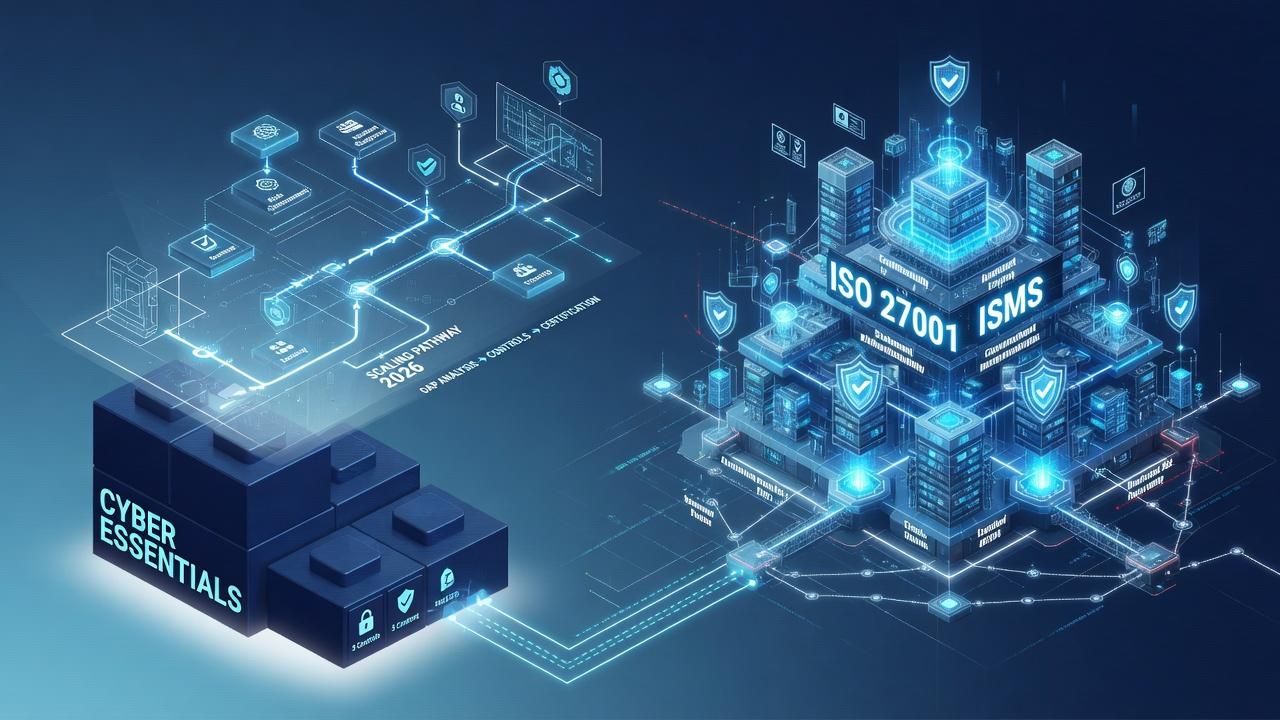
From Hygiene to Governance: How to Scale Cyber Essentials into a Full ISO 27001 ISMS in 2026
Discover how to scale Cyber Essentials into a full ISO 27001 ISMS in 2026. Reuse evidence, map controls, meet DORA & NIS2 rules and win enterprise contracts.
Run Maturity Assessments with GRADUM
Transform your compliance journey with our AI-powered assessment platform
Assess your organization's maturity across multiple standards and regulations including ISO 27001, DORA, NIS2, NIST, GDPR, and hundreds more. Get actionable insights and track your progress with collaborative, AI-powered evaluations.
Explore More Comparisons
See how ENERGY STAR and FSSC 22000 compare against other standards