
LEED vs ISO 26000
LEED
Global green building certification framework for sustainability
ISO 26000
International guidance standard for social responsibility.
Quick Verdict
LEED provides verifiable green building certification for sustainable design and operations, while ISO 26000 offers non-certifiable guidance on broad social responsibility. Companies pursue LEED for market-leading credentials and ISO 26000 for holistic SR integration.
LEED
Leadership in Energy and Environmental Design
Key Features
- Third-party verification by GBCI ensures credible certification
- 110-point weighted system with Certified-to-Platinum tiers
- Mandatory prerequisites plus elective credits for flexibility
- Tailored rating systems for buildings, interiors, operations
- O+M recertification drives continuous performance improvement
ISO 26000
ISO 26000:2010 Guidance on social responsibility
Key Features
- Seven core subjects for holistic social responsibility
- Seven principles underpinning ethical decision-making
- Non-certifiable guidance applicable to all organizations
- Stakeholder engagement for issue prioritization
- Integration with management systems like ISO 14001
Detailed Analysis
A comprehensive look at the specific requirements, scope, and impact of each standard.
LEED Details
What It Is
Leadership in Energy and Environmental Design (LEED) is a voluntary, third-party verified green building rating framework developed by USGBC. It provides a performance-based system for healthy, efficient buildings across design, construction, operations, and communities. Core approach combines prerequisites for baselines and points from credits in weighted categories like Energy and Atmosphere.
Key Components
- Seven categories: Sustainable Sites, Water Efficiency, Energy & Atmosphere (highest points), Materials & Resources, Indoor Environmental Quality, Innovation, Regional Priority.
- Up to 110 points total; tiers: Certified (40-49), Silver (50-59), Gold (60-79), Platinum (80+).
- Rating systems: BD+C, ID+C, O+M, ND, Residential, Cities.
- GBCI certification via documentation review.
Why Organizations Use It
Drives operating savings, ESG reporting, risk mitigation, higher asset values, tenant appeal. Aligns with policies/incentives; builds reputation via verified claims.
Implementation Overview
Integrated project delivery from gap analysis, scorecard, to commissioning/M&V. Applies to all building types globally; requires registration (Arc/LEED Online), documentation, phased GBCI review. O+M adds performance periods/recertification.
ISO 26000 Details
What It Is
ISO 26000:2010 is the international guidance standard on social responsibility (SR), providing a voluntary framework applicable to all organizations regardless of size, type, or location. Its primary purpose is to help organizations understand SR, integrate it holistically, and contribute to sustainable development through transparent, ethical behavior aligned with stakeholder expectations.
Key Components
- Seven **core subjectsorganizational governance, human rights, labor practices, environment, fair operating practices, consumer issues, community involvement/development.
- Seven **principlesaccountability, transparency, ethical behavior, respect for stakeholder interests, rule of law, international norms, human rights.
- Built on multi-stakeholder consensus; non-certifiable, focusing on guidance rather than requirements.
Why Organizations Use It
- Enhances risk management, resilience, and credibility without certification burdens.
- Aligns with SDGs, OECD, GRI, UNGP for ESG reporting and due diligence.
- Builds stakeholder trust, competitive advantage, talent retention, and license to operate.
Implementation Overview
- Phased approach: materiality assessment, stakeholder engagement, policy integration, training, reporting.
- Integrates with ISO 14001/45001; suits all sectors/geographies; self-assessed via transparent communication.
Key Differences
| Aspect | LEED | ISO 26000 |
|---|---|---|
| Scope | Green building performance across categories like energy, water, IEQ | Social responsibility across 7 core subjects like human rights, environment |
| Industry | Building, construction, real estate globally | All organization types, sectors worldwide |
| Nature | Voluntary certification rating system | Non-certifiable guidance standard |
| Testing | Third-party GBCI review of documentation, performance data | Self-assessment, stakeholder engagement, no formal audits |
| Penalties | No certification, reputational loss | No penalties, potential credibility/reputational damage |
Scope
Industry
Nature
Testing
Penalties
Frequently Asked Questions
Common questions about LEED and ISO 26000
LEED FAQ
ISO 26000 FAQ
You Might also be Interested in These Articles...

NIST 800-53 Private Sector ROI Reality Check: Isolating Control Family Impacts on 2024 Breach Costs
Discover NIST 800-53 ROI in private sector: control families like RA, SI, SR reduce median breach costs from $100K to under $50K. Get benchmarks to prioritize i

SOC 2 Trust Services Criteria in Plain English: Side-by-Side Decoder for Security, Availability, and Beyond
Decode AICPA Trust Services Criteria from auditor jargon to plain English with side-by-side tables, analogies & TL;DRs. CISOs & founders: implement SOC 2 contro
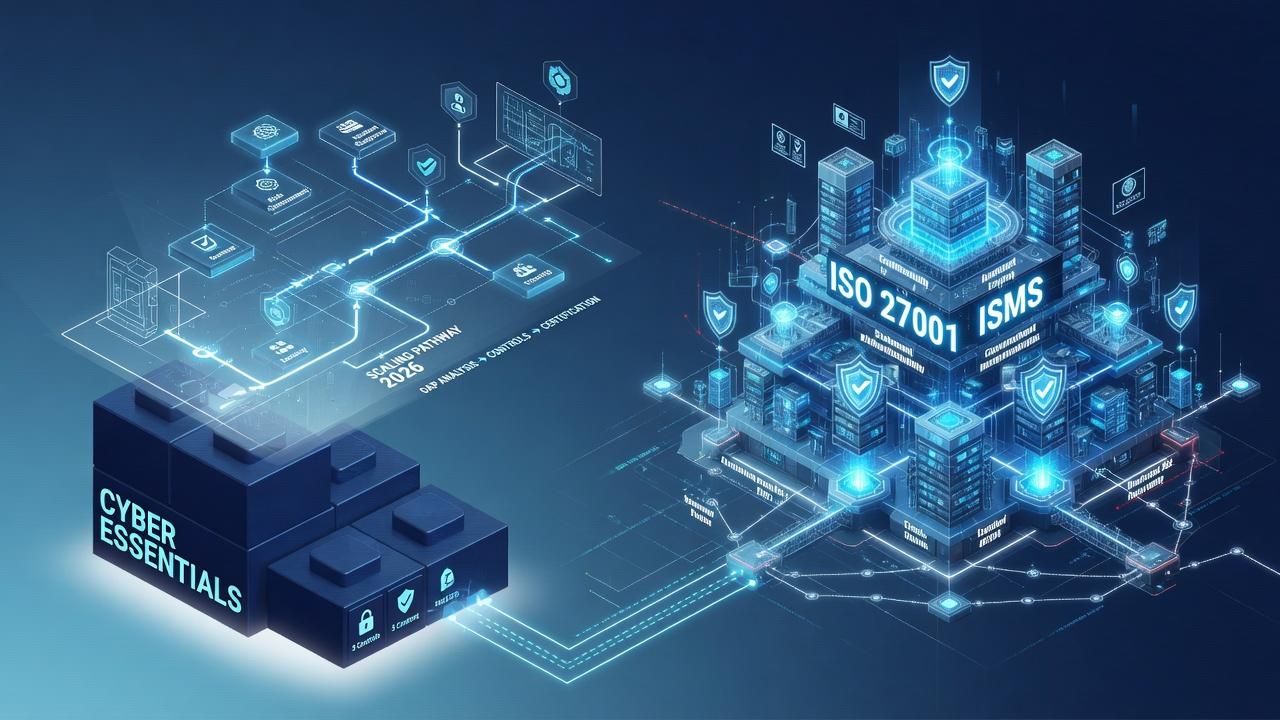
From Hygiene to Governance: How to Scale Cyber Essentials into a Full ISO 27001 ISMS in 2026
Discover how to scale Cyber Essentials into a full ISO 27001 ISMS in 2026. Reuse evidence, map controls, meet DORA & NIS2 rules and win enterprise contracts.
Run Maturity Assessments with GRADUM
Transform your compliance journey with our AI-powered assessment platform
Assess your organization's maturity across multiple standards and regulations including ISO 27001, DORA, NIS2, NIST, GDPR, and hundreds more. Get actionable insights and track your progress with collaborative, AI-powered evaluations.
Explore More Comparisons
See how LEED and ISO 26000 compare against other standards