
OSHA vs K-PIPA
OSHA
US federal regulation assuring workplace safety standards
K-PIPA
South Korea's regulation for personal data protection
Quick Verdict
OSHA ensures safe US workplaces through hazard standards and inspections, while K-PIPA protects Korean personal data via consent and breach rules. Companies adopt OSHA for legal compliance and injury reduction; K-PIPA for privacy trust and market access.
OSHA
Occupational Safety and Health Act of 1970
Key Features
- Mandates safe workplaces via OSH Act of 1970
- General Duty Clause targets recognized serious hazards
- Hierarchy of controls prioritizes engineering over PPE
- Risk-based inspections focus on imminent dangers
- Requires electronic injury reporting through ITA
K-PIPA
Personal Information Protection Act
Key Features
- Mandatory Chief Privacy Officer appointment
- Granular explicit consent requirements
- 72-hour breach notifications to subjects
- Extraterritorial reach for foreign entities
- Fines up to 3% annual revenue
Detailed Analysis
A comprehensive look at the specific requirements, scope, and impact of each standard.
OSHA Details
What It Is
Occupational Safety and Health Administration (OSHA) enforces the OSH Act of 1970, a federal regulation establishing workplace safety standards in 29 CFR 1910 for general industry. Its primary purpose is assuring safe, healthful conditions via standards enforcement, inspections, and hazard reduction. Key approach: performance-based standards with General Duty Clause for uncodified hazards and hierarchy of controls.
Key Components
- Subparts A-Z covering surfaces, PPE, HazCom, LOTO, toxic substances.
- Over 1,000 standards; core principles include employer/employee duties, recordkeeping (OSHA 300/300A/301), electronic reporting (ITA).
- Compliance model: inspections, citations, penalties up to $170K for willful violations; no certification, but voluntary VPP recognition.
Why Organizations Use It
Legal mandate reduces injuries, penalties, litigation; strategic benefits include lower insurance, productivity gains, ESG alignment. Builds stakeholder trust via transparency.
Implementation Overview
Systems-based: hazard assessments, written programs (IIPP), training, engineering controls. Applies to most US employers; scalable by size/industry; ongoing audits, no formal certification.
K-PIPA Details
What It Is
Personal Information Protection Act (K-PIPA) is South Korea's flagship data protection regulation, enacted in 2011 with key amendments in 2020, 2023, and 2024. It safeguards personal information of residents via consent-centric, risk-based approach, covering collection, use, transfer, and destruction by domestic and foreign entities targeting Koreans.
Key Components
- Principles: transparency, purpose limitation, data minimization, accountability.
- Obligations: mandatory Chief Privacy Officer (CPO), granular consents, encryption/access controls, data subject rights (access, rectification, erasure, portability within 10 days).
- Breach notifications (72 hours), cross-border transfer rules; enforced by PIPC with fines to 3% revenue.
Why Organizations Use It
- Mandatory for compliance amid high fines (e.g., Google KRW 70B).
- Mitigates risks, builds trust, enables EU adequacy flows.
- Enhances reputation, supports innovation via pseudonymization.
Implementation Overview
- Phased: gap analysis, CPO appointment, technical safeguards, training, audits.
- Applies universally to data handlers; no certification but PIPC oversight.
Key Differences
| Aspect | OSHA | K-PIPA |
|---|---|---|
| Scope | Workplace safety and health hazards | Personal data protection and privacy |
| Industry | All US industries, general/construction | All sectors processing Korean data |
| Nature | Mandatory US federal regulations | Mandatory Korean data protection law |
| Testing | OSHA inspections and audits | PIPC investigations and audits |
| Penalties | Civil fines up to $165K per violation | Fines up to 3% revenue or KRW 3B |
Scope
Industry
Nature
Testing
Penalties
Frequently Asked Questions
Common questions about OSHA and K-PIPA
OSHA FAQ
K-PIPA FAQ
You Might also be Interested in These Articles...

Real-World ISO 27701 Success: Synthesized Case Studies, Metrics, and Lessons for Privacy Resilience
Real-world ISO 27701 success from Tribeca, Kocho: DSAR efficiency gains, risk score reductions, certification ROI. Synthesized metrics prove privacy resilience

Step-by-Step Implementation Guide to ISO 27701: Building a Privacy Information Management System (PIMS) on Your ISO 27001 Foundation
Implement ISO 27701 on your ISO 27001 foundation with this actionable guide. Tackle PII controls, audit evidence, GDPR integration. Templates, checklists for 20
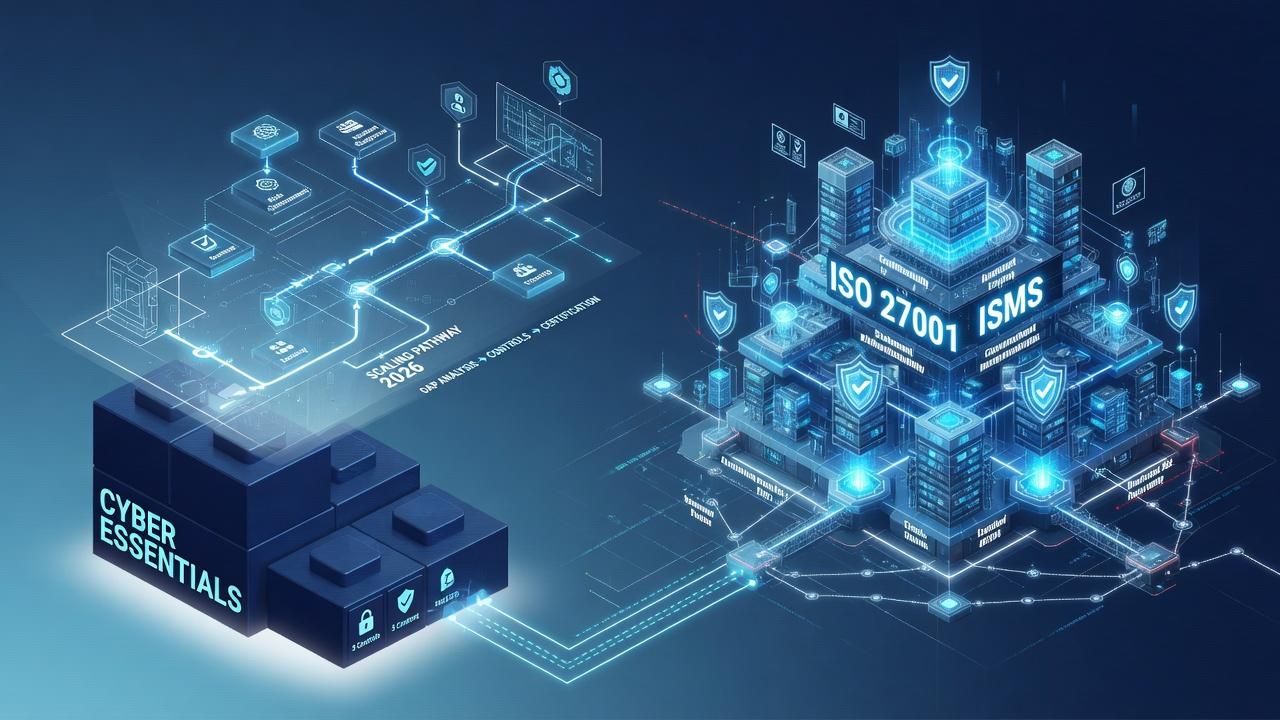
From Hygiene to Governance: How to Scale Cyber Essentials into a Full ISO 27001 ISMS in 2026
Discover how to scale Cyber Essentials into a full ISO 27001 ISMS in 2026. Reuse evidence, map controls, meet DORA & NIS2 rules and win enterprise contracts.
Run Maturity Assessments with GRADUM
Transform your compliance journey with our AI-powered assessment platform
Assess your organization's maturity across multiple standards and regulations including ISO 27001, DORA, NIS2, NIST, GDPR, and hundreds more. Get actionable insights and track your progress with collaborative, AI-powered evaluations.
Explore More Comparisons
See how OSHA and K-PIPA compare against other standards