
ISO 13485 vs ISO 41001
ISO 13485
International standard for medical device quality management systems
ISO 41001
International standard for facility management systems
Quick Verdict
ISO 13485 provides regulatory-ready QMS for medical device makers ensuring safety and compliance, while ISO 41001 establishes FM systems for all organizations to align facilities with business goals and sustainability. Companies adopt them for certification, risk reduction, and market access.
ISO 13485
ISO 13485:2016 Medical devices Quality management systems
Key Features
- Risk-based controls for device safety and regulatory compliance
- Full lifecycle coverage from design to post-market surveillance
- Mandatory documented procedures with objective evidence requirements
- Process and software validation for critical operations
- Traceability via medical device files and supplier controls
ISO 41001
ISO 41001:2018 Facility management — Management systems — Requirements
Key Features
- Distinguishes FM organization from demand organization
- HLS alignment for integrated management systems
- Risk planning includes business continuity preparedness
- Mandates stakeholder requirements lifecycle management
- Emphasizes service integration and climate action
Detailed Analysis
A comprehensive look at the specific requirements, scope, and impact of each standard.
ISO 13485 Details
What It Is
ISO 13485:2016 is an international certification standard titled "Medical devices — Quality management systems — Requirements for regulatory purposes." It provides a risk-based framework for organizations to demonstrate consistent provision of safe medical devices and services meeting customer and regulatory needs across the device lifecycle, from design to disposal.
Key Components
- Organized into Clauses 4–8: QMS/documentation, management responsibility, resources, product realization, measurement/improvement.
- Emphasizes documented processes, validation, traceability, risk management (linked to ISO 14971), post-market surveillance.
- Requires quality manual, medical device files, supplier controls, CAPA.
- Certification via accredited bodies with stage audits and surveillance.
Why Organizations Use It
- Enables market access (EU MDR, FDA QMSR alignment as of 2026).
- Reduces risks of recalls, liabilities via robust controls.
- Builds stakeholder trust, competitive edge in supply chains.
- Drives operational efficiency, regulatory harmonization.
Implementation Overview
- Phased: gap analysis, documentation, training, validation, audits.
- Applies to manufacturers, suppliers, distributors globally.
- Typical for SMEs to multinationals; 9–18 months with eQMS tools.
ISO 41001 Details
What It Is
ISO 41001:2018 — Facility management — Management systems — Requirements with guidance for use — is a certifiable international management system standard dedicated to facility management (FM). It establishes requirements for effective, efficient FM delivery that supports demand organization objectives, meets interested parties' needs, and ensures sustainability in competitive environments. Built on ISO High-Level Structure (HLS) and Plan-Do-Check-Act (PDCA) cycle.
Key Components
- Clauses 4–10: context, leadership, planning, support, operation, performance evaluation, improvement.
- FM-specific: stakeholder requirements mapping, service integration, risk-based planning including business continuity.
- Core principles: process approach, leadership commitment, continual improvement.
- Voluntary third-party certification model.
Why Organizations Use It
- Cost control, occupant wellbeing, operational resilience.
- Supports regulatory compliance, ESG/sustainability (2024 climate amendment).
- Risk mitigation, market differentiation in tenders.
- Builds stakeholder trust via measurable performance.
Implementation Overview
- Phased PDCA: gap analysis, policy/objectives, processes, audits.
- All sizes/sectors/geographies; 6–24 months typical.
- Internal audits/management reviews; external certification common.
Key Differences
| Aspect | ISO 13485 | ISO 41001 |
|---|---|---|
| Scope | Medical device lifecycle QMS | Facility management system |
| Industry | Medical devices, healthcare | All sectors, non-sector specific |
| Nature | Voluntary certification standard | Voluntary certification standard |
| Testing | Process validation, audits | Performance monitoring, audits |
| Penalties | Loss of certification | Loss of certification |
Scope
Industry
Nature
Testing
Penalties
Frequently Asked Questions
Common questions about ISO 13485 and ISO 41001
ISO 13485 FAQ
ISO 41001 FAQ
You Might also be Interested in These Articles...
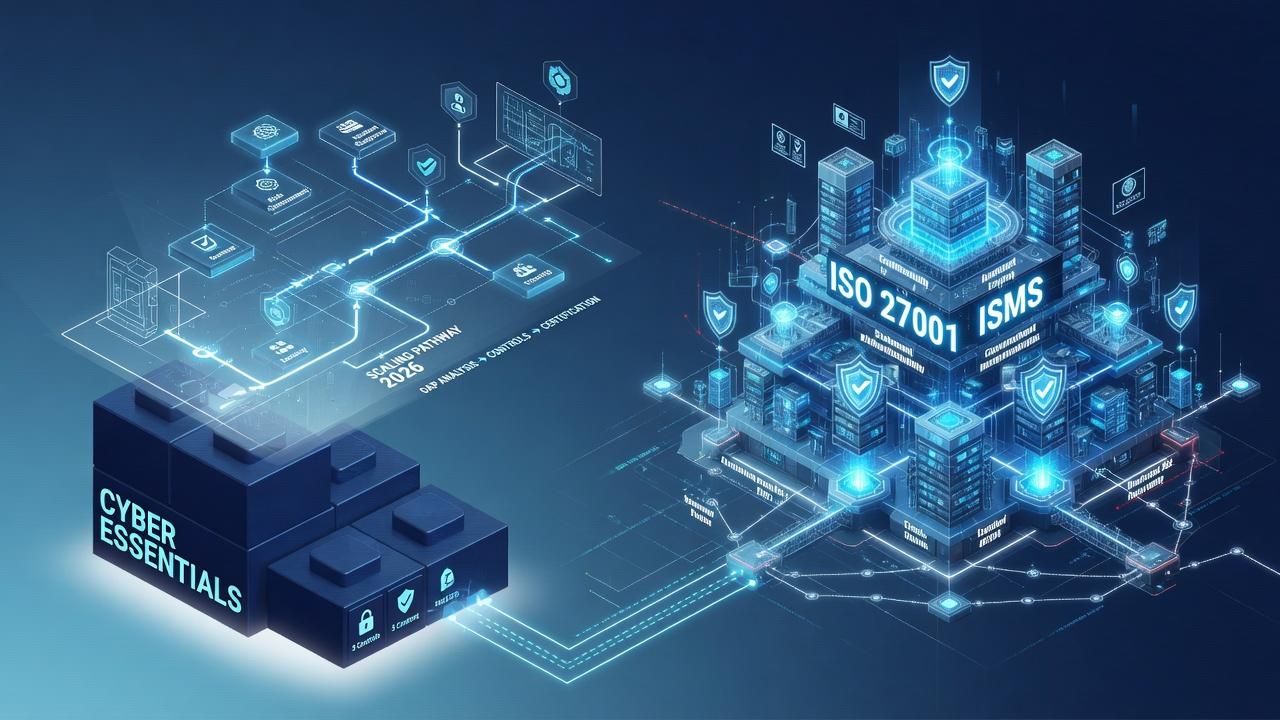
From Hygiene to Governance: How to Scale Cyber Essentials into a Full ISO 27001 ISMS in 2026
Discover how to scale Cyber Essentials into a full ISO 27001 ISMS in 2026. Reuse evidence, map controls, meet DORA & NIS2 rules and win enterprise contracts.

Beyond the Checkbox: Why Maturity Assessments are the Secret to Sustainable Compliance
Discover why maturity assessments beat binary compliance checks by uncovering hidden gaps and enabling continuous improvement for sustainable success. Read now!

TISAX Tabletop Exercises for EV Battery Suppliers: Ransomware Drill Scripts and AAR Templates with 2025 ENX Podcast Breakdown
Practical TISAX tabletop scripts for EV battery suppliers facing 'Very High' ASLP. Download ransomware AAR templates, get 2024 ENX lessons & 2025 podcast on VDA
Run Maturity Assessments with GRADUM
Transform your compliance journey with our AI-powered assessment platform
Assess your organization's maturity across multiple standards and regulations including ISO 27001, DORA, NIS2, NIST, GDPR, and hundreds more. Get actionable insights and track your progress with collaborative, AI-powered evaluations.
Explore More Comparisons
See how ISO 13485 and ISO 41001 compare against other standards