
ISO 26000 vs GRI
ISO 26000
International guidance for social responsibility practices
GRI
Global standards for sustainability impact reporting
Quick Verdict
ISO 26000 provides voluntary guidance on social responsibility principles and core subjects for all organizations, while GRI offers modular reporting standards for disclosing material impacts. Companies use ISO 26000 for internal integration and GRI for transparent stakeholder accountability.
ISO 26000
ISO 26000:2010 Guidance on social responsibility
Key Features
- Explicitly non-certifiable social responsibility guidance
- Seven foundational principles like accountability, transparency
- Seven holistic core subjects from governance to community
- Multi-stakeholder consensus from 500+ global experts
- Stakeholder engagement drives prioritization and integration
GRI
Global Reporting Initiative (GRI) Standards
Key Features
- Impact-based materiality process (GRI 3)
- Modular Universal, Sector, Topic Standards
- Mandatory GRI Content Index for traceability
- Value chain and supplier impact disclosures
- Reporting principles ensuring verifiability
Detailed Analysis
A comprehensive look at the specific requirements, scope, and impact of each standard.
ISO 26000 Details
What It Is
ISO 26000:2010 is a voluntary international guidance standard on social responsibility (SR). It provides a conceptual framework and practical advice for organizations to address impacts on society and environment. Unlike certifiable standards like ISO 14001, it uses a principles-based, holistic approach emphasizing context-specific application through stakeholder engagement.
Key Components
- Seven core principles: accountability, transparency, ethical behavior, respect for stakeholder interests, rule of law, international norms, human rights.
- Seven interconnected core subjects: organizational governance, human rights, labor practices, environment, fair operating practices, consumer issues, community involvement.
- No requirements or controls; focuses on integration rather than certification.
Why Organizations Use It
Enhances sustainability commitment, risk management, and stakeholder trust. Aligns with SDGs, OECD, GRI for ESG reporting. Builds resilience, reduces reputational risks, unlocks market access without certification burdens.
Implementation Overview
Phased approach: assess materiality, engage stakeholders, integrate into governance/operations via PDCA. Applies to all organization types/sizes globally. No audits/certification; credibility via transparent reporting and self-assessment.
GRI Details
What It Is
GRI Standards (Global Reporting Initiative Standards) are a modular framework for sustainability reporting. They provide a global common language for disclosing significant economic, environmental, and social impacts. The impact-centric approach requires identifying material topics based on actual and potential effects on stakeholders, using a structured materiality process.
Key Components
- Universal Standards (GRI 1: Foundation, GRI 2: General Disclosures, GRI 3: Material Topics) for baseline requirements.
- Sector Standards for high-impact industries like oil & gas, mining.
- Topic Standards (e.g., GRI 403 Occupational Health & Safety, GRI 308 Supplier Environmental Assessment) with specific disclosures.
- Built on principles like accuracy, balance, verifiability; mandatory GRI Content Index for traceability. Compliance via "in accordance" reporting, no formal certification.
Why Organizations Use It
Drives accountability, regulatory alignment (e.g., EU CSRD), risk management, and benchmarking. Enhances stakeholder trust, investor access, and operational improvements in HES areas.
Implementation Overview
Phased: materiality assessment, data systems, management approaches, content index. Applies to all sizes/sectors globally; involves governance, stakeholder engagement, assurance readiness.
Key Differences
| Aspect | ISO 26000 | GRI |
|---|---|---|
| Scope | 7 core subjects: governance, human rights, labor, environment, fair practices, consumer, community | Modular: universal, sector, topic standards for economic, environmental, social impacts |
| Industry | All organizations, all sectors, global applicability | All organizations, high-impact sectors prioritized, worldwide |
| Nature | Voluntary guidance, non-certifiable | Voluntary reporting standards, modular disclosures |
| Testing | Self-assessment, stakeholder engagement, no certification | Materiality process, content index, external assurance optional |
| Penalties | No legal penalties, reputational risks only | No penalties, credibility and greenwashing risks |
Scope
Industry
Nature
Testing
Penalties
Frequently Asked Questions
Common questions about ISO 26000 and GRI
ISO 26000 FAQ
GRI FAQ
You Might also be Interested in These Articles...

The Reasons Why NIS2 is Fundamental for Cyber Resilience in Europe
Uncover why NIS2 transcends compliance burdens, delivering real cyber resilience value through enforced measurements and activities. Explore insights via our pa
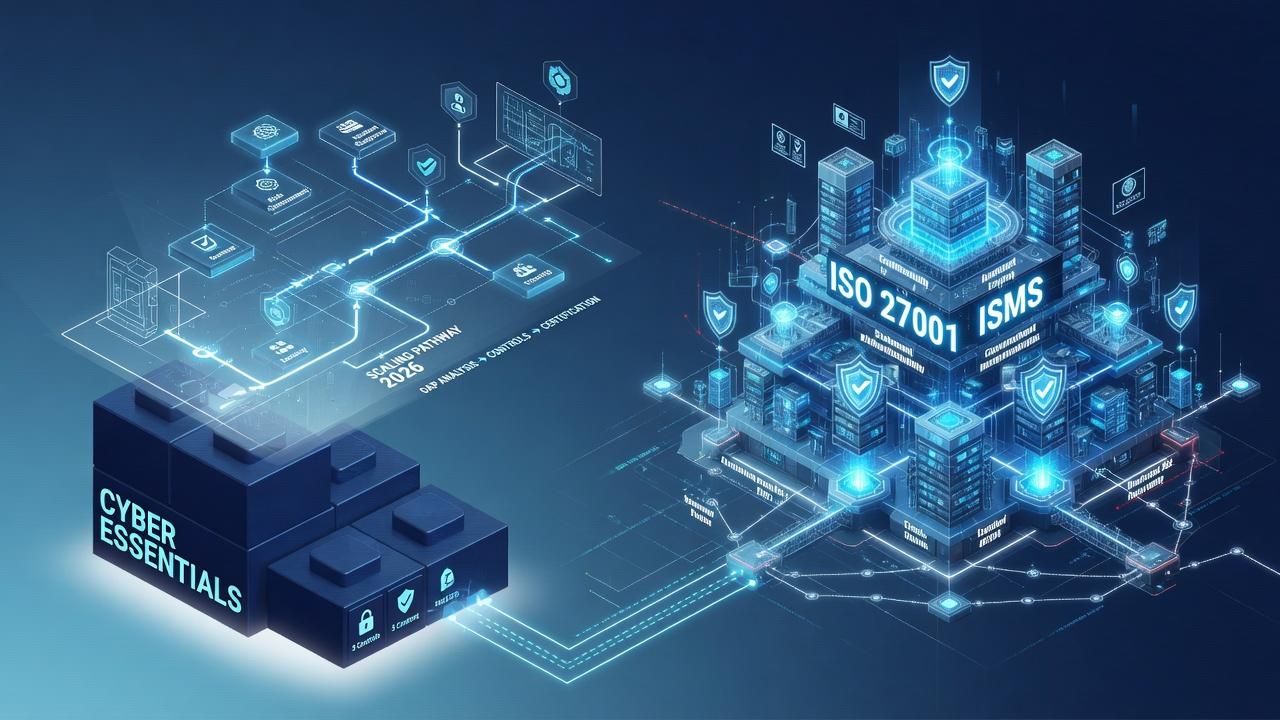
From Hygiene to Governance: How to Scale Cyber Essentials into a Full ISO 27001 ISMS in 2026
Discover how to scale Cyber Essentials into a full ISO 27001 ISMS in 2026. Reuse evidence, map controls, meet DORA & NIS2 rules and win enterprise contracts.

Measuring CIS Controls v8.1 in the Real World: KPIs, Dashboards, and Automated Evidence for Continuous Assurance
Master CIS Controls v8.1 measurement with essential KPIs, executive-ready dashboards, and automated evidence collection for continuous assurance. Make complianc
Run Maturity Assessments with GRADUM
Transform your compliance journey with our AI-powered assessment platform
Assess your organization's maturity across multiple standards and regulations including ISO 27001, DORA, NIS2, NIST, GDPR, and hundreds more. Get actionable insights and track your progress with collaborative, AI-powered evaluations.
Explore More Comparisons
See how ISO 26000 and GRI compare against other standards