
ISO 26000 vs NERC CIP
ISO 26000
International guidance for social responsibility integration
NERC CIP
Mandatory standards for BES cybersecurity and reliability
Quick Verdict
ISO 26000 offers voluntary social responsibility guidance for all organizations worldwide, emphasizing principles and stakeholder engagement. NERC CIP mandates enforceable cyber/physical security for North American electric utilities, ensuring grid reliability through audits and penalties. Companies adopt ISO 26000 for credibility, CIP for compliance.
ISO 26000
ISO 26000:2010 Guidance on social responsibility
Key Features
- Non-certifiable guidance avoiding certification misuse
- Seven principles underpinning responsible behavior
- Seven holistic core subjects for impacts
- Stakeholder engagement drives prioritization and relevance
- Multi-stakeholder consensus from 500+ global experts
NERC CIP
NERC Critical Infrastructure Protection Standards
Key Features
- Risk-based BES Cyber System impact categorization
- Mandatory electronic/physical security perimeters
- 35-day patch evaluation and monitoring cadence
- Periodic audits with FERC enforcement penalties
- Incident response and recovery plan testing
Detailed Analysis
A comprehensive look at the specific requirements, scope, and impact of each standard.
ISO 26000 Details
What It Is
ISO 26000:2010 is a non-certifiable international guidance standard providing a framework for social responsibility (SR). Applicable to all organizations regardless of size, sector, or location, its primary purpose is to help integrate SR into governance, strategy, and operations through stakeholder-informed, context-specific approaches.
Key Components
- Seven core principles: accountability, transparency, ethical behavior, respect for stakeholder interests, rule of law, international norms, human rights.
- Seven core subjects: organizational governance, human rights, labor practices, environment, fair operating practices, consumer issues, community involvement.
- Built on multi-stakeholder consensus; no requirements, emphasizing holistic integration over checklists.
- No certification model; uses self-reporting and ISO Communication Protocol for claims.
Why Organizations Use It
Enhances sustainability commitment, aligns with SDGs/OECD/GRI, mitigates risks (reputational, operational), builds stakeholder trust, supports ESG reporting without certification burdens, and drives resilience/competitive advantage.
Implementation Overview
Phased approach: materiality assessment, stakeholder engagement, policy integration, training, monitoring. Integrates with ISO 9001/14001/45001; suits all sizes via prioritization; no audits, focuses on transparent reporting and continuous improvement. (178 words)
NERC CIP Details
What It Is
NERC CIP (North American Electric Reliability Corporation Critical Infrastructure Protection) comprises mandatory reliability standards enforcing cybersecurity and physical security for the Bulk Electric System (BES) across North America. Primary purpose: mitigate cyber risks causing BES misoperation or instability. Employs a risk-based, tiered model categorizing BES Cyber Systems as High, Medium, or Low impact.
Key Components
- Core standards: CIP-002 (scoping), CIP-003 (governance), CIP-004 (personnel), CIP-005/006 (perimeters), CIP-007 (system security), CIP-008/009/010 (response/recovery/config), up to CIP-014 (supply chain/physical).
- Recurring cycles: 15/35-day reviews, periodic audits.
- Built on executive accountability, evidence retention (3 years), FERC enforcement.
Why Organizations Use It
- Legal mandate for BES owners/operators; fines up to $1M+ per violation.
- Enhances grid resilience, reduces outages, lowers insurance costs.
- Builds stakeholder trust, enables market access.
Implementation Overview
Phased: scoping, gap analysis, controls deployment, audits. Targets utilities/transmission entities in US/Canada/Mexico. Requires periodic audits, no formal certification but ongoing compliance.
Key Differences
| Aspect | ISO 26000 | NERC CIP |
|---|---|---|
| Scope | Social responsibility core subjects, principles, governance | Cyber/physical security for Bulk Electric System |
| Industry | All organizations globally, any sector/size | Electric utilities, BES owners/operators in North America |
| Nature | Voluntary guidance, non-certifiable | Mandatory enforceable standards with penalties |
| Testing | Self-assessment, stakeholder engagement, no audits | Annual audits, vulnerability assessments, drills |
| Penalties | No legal penalties, reputational risks only | FERC fines up to millions, operational sanctions |
Scope
Industry
Nature
Testing
Penalties
Frequently Asked Questions
Common questions about ISO 26000 and NERC CIP
ISO 26000 FAQ
NERC CIP FAQ
You Might also be Interested in These Articles...
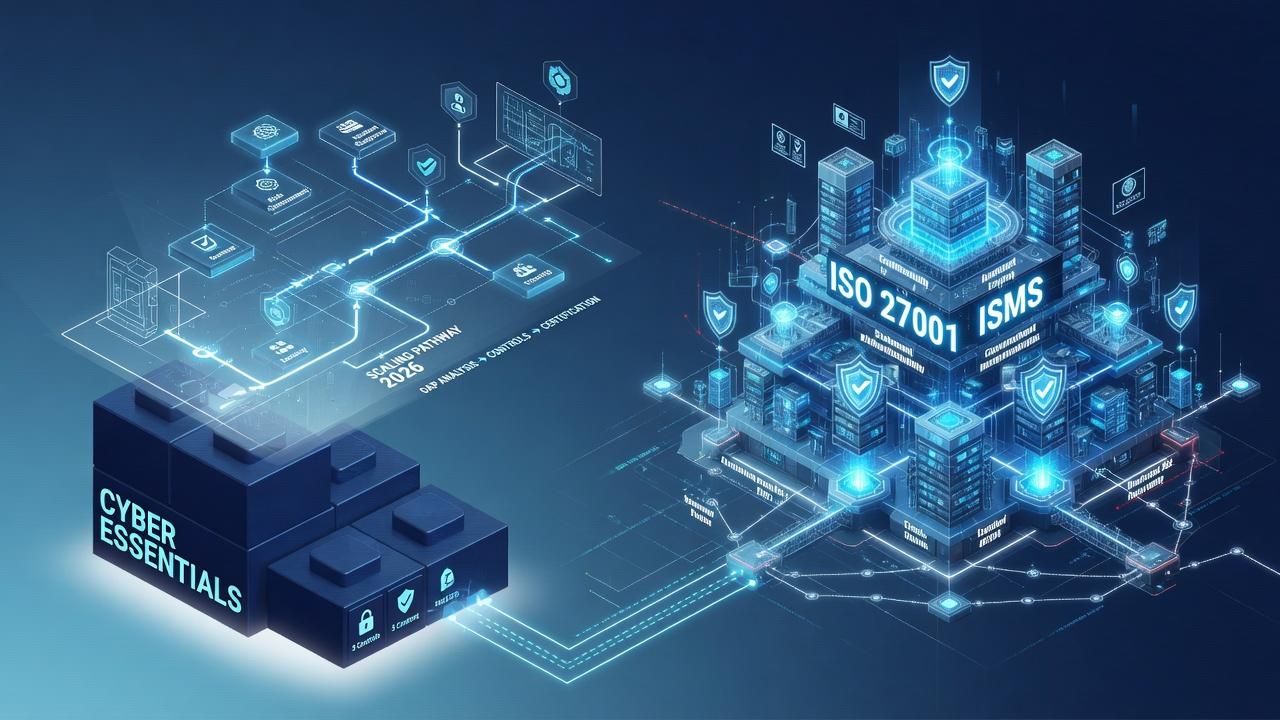
From Hygiene to Governance: How to Scale Cyber Essentials into a Full ISO 27001 ISMS in 2026
Discover how to scale Cyber Essentials into a full ISO 27001 ISMS in 2026. Reuse evidence, map controls, meet DORA & NIS2 rules and win enterprise contracts.

Measuring NIST CSF 2.0 Success: KPIs, Dashboards, and Continuous Improvement Using Tiers & Profiles
Transform NIST CSF 2.0 into quantifiable success: Define board-ready KPIs for Functions, build Profile dashboards, track Tier progression. Prove ROI amid cyber

The Human-AI Synergy: How Modern Compliance Tools Amplify Your Team's Strategic Impact
Unlock human-AI synergy with modern compliance tools. Automate monitoring, cut non-compliance risks 3x, and boost strategic decision-making. Elevate your team's
Run Maturity Assessments with GRADUM
Transform your compliance journey with our AI-powered assessment platform
Assess your organization's maturity across multiple standards and regulations including ISO 27001, DORA, NIS2, NIST, GDPR, and hundreds more. Get actionable insights and track your progress with collaborative, AI-powered evaluations.
Explore More Comparisons
See how ISO 26000 and NERC CIP compare against other standards