
NIS2 vs RoHS
NIS2
EU regulation strengthening cybersecurity for critical infrastructure sectors
RoHS
EU regulation restricting hazardous substances in EEE
Quick Verdict
NIS2 mandates cybersecurity resilience for EU critical sectors via risk management and rapid incident reporting, while RoHS restricts hazardous substances in electronics for environmental safety through material testing. Companies adopt NIS2 for regulatory compliance and cyber defense; RoHS for EU market access and sustainability.
NIS2
Directive (EU) 2022/2555 on a high common level of cybersecurity
Key Features
- Expands scope with size-cap rule for medium/large entities
- Mandates strict 24-hour early warning incident reporting
- Imposes direct senior management accountability
- Levies fines up to 2% global annual turnover
- Requires continuous risk management and supply chain security
RoHS
Directive 2011/65/EU (RoHS 2)
Key Features
- Restricts 10 substances at 0.1% in homogeneous materials
- Open scope: all EEE unless specifically excluded
- Requires technical file and EU Declaration of Conformity
- Time-limited exemptions renewed via delegated acts
- Tiered testing: XRF screening and IEC 62321 confirmation
Detailed Analysis
A comprehensive look at the specific requirements, scope, and impact of each standard.
NIS2 Details
What It Is
NIS2 Directive (EU) 2022/2555 is an EU regulation expanding the original NIS Directive to enhance cybersecurity resilience across member states. It targets essential and important entities in broadened sectors like energy, transport, health, and digital services via a size-cap rule (50+ employees or €10M turnover). Adopting a risk-based, all-hazards approach, it mandates proactive measures against cyber threats.
Key Components
- **Four pillarsrisk management, incident reporting, business continuity, corporate accountability.
- Strict timelines: 24-hour early warnings, 72-hour notifications, one-month final reports to CSIRTs.
- Continuous assurance with supply chain security, access controls, encryption.
- Senior management liability; no fixed control count, but aligns with ISO 27001, NIST CSF.
Why Organizations Use It
Legal compliance avoids fines up to 2% global turnover; builds resilience against threats like APTs, ransomware. Enhances trust, operational continuity, cross-border cooperation; strategic for multi-state operations.
Implementation Overview
Enterprise-wide transformation: gap assessments, risk registers, training, supplier audits. Applies to medium/large EU entities in covered sectors; transposed in Oct 2024, with ongoing audits/spot checks. Leverage standards for 12-18 month rollout.
RoHS Details
What It Is
RoHS (Directive 2011/65/EU, recast as RoHS 2) is an EU regulation restricting hazardous substances in electrical and electronic equipment (EEE) to protect health and environment during waste management. It uses an open-scope approach (all EEE unless excluded) with homogeneous material concentration limits and time-limited exemptions.
Key Components
- Restricts 10 substances (e.g., Pb, Cd, Hg, phthalates) at 0.1% (Cd 0.01%) in homogeneous materials.
- Annexes III/IV for exemptions; updated via delegated acts.
- Built on CE-marking framework with technical documentation and EU Declaration of Conformity (DoC).
- Compliance via risk-based supplier declarations and IEC 62321 testing.
Why Organizations Use It
- Mandatory for EU market access; prevents fines, recalls.
- Enhances recyclability, supply chain integrity, ESG reporting.
- Reduces risks from exemptions expiry, global variants (e.g., China RoHS 2).
- Builds stakeholder trust, competitive edge in sustainability.
Implementation Overview
- Phased: scoping, gap analysis, supplier controls, testing, documentation.
- Applies to manufacturers/importers of EEE; all sizes, global reach.
- No certification; 10-year technical file retention for audits.
Key Differences
| Aspect | NIS2 | RoHS |
|---|---|---|
| Scope | Cybersecurity risk management, incident reporting, resilience | Hazardous substances restriction in EEE materials |
| Industry | Essential/important entities in EU sectors (energy, transport) | Electrical/electronic equipment manufacturers EU-wide |
| Nature | Mandatory EU directive, national transposition, fines | Mandatory EU product regulation, market surveillance |
| Testing | Risk assessments, audits, spot checks by authorities | XRF screening, lab analysis (IEC 62321) of materials |
| Penalties | Up to 2% global turnover or €10M for essential entities | Fines, product recalls, market bans by Member States |
Scope
Industry
Nature
Testing
Penalties
Frequently Asked Questions
Common questions about NIS2 and RoHS
NIS2 FAQ
RoHS FAQ
You Might also be Interested in These Articles...

Using CIS Controls v8.1 as a ‘Compliance On-Ramp’: Map One Security Program to NIST CSF, ISO 27001, PCI DSS, and NIS2
Use CIS Controls v8.1 as your compliance on-ramp. Map one security program to NIST CSF, ISO 27001, PCI DSS, and NIS2 without duplicating work via practical mapp

The Reasons Why NIS2 is Fundamental for Cyber Resilience in Europe
Uncover why NIS2 transcends compliance burdens, delivering real cyber resilience value through enforced measurements and activities. Explore insights via our pa
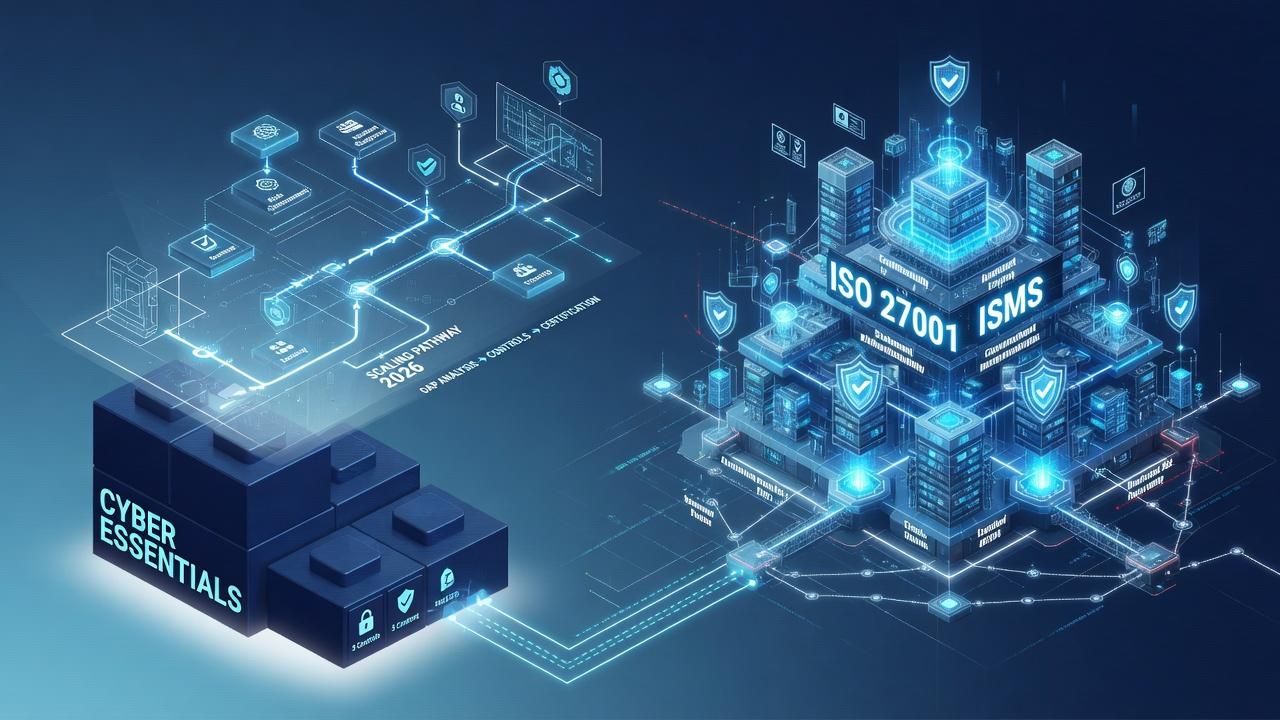
From Hygiene to Governance: How to Scale Cyber Essentials into a Full ISO 27001 ISMS in 2026
Discover how to scale Cyber Essentials into a full ISO 27001 ISMS in 2026. Reuse evidence, map controls, meet DORA & NIS2 rules and win enterprise contracts.
Run Maturity Assessments with GRADUM
Transform your compliance journey with our AI-powered assessment platform
Assess your organization's maturity across multiple standards and regulations including ISO 27001, DORA, NIS2, NIST, GDPR, and hundreds more. Get actionable insights and track your progress with collaborative, AI-powered evaluations.
Explore More Comparisons
See how NIS2 and RoHS compare against other standards