
PMBOK vs ISO/IEC 42001:2023
PMBOK
Global standard for project management principles and practices
ISO/IEC 42001:2023
International standard for AI management systems.
Quick Verdict
PMBOK guides project delivery across industries with principles and processes, while ISO/IEC 42001:2023 certifies AI governance for responsible lifecycle management. Companies adopt PMBOK for reliable execution; ISO 42001 for ethical AI compliance and trust.
PMBOK
Project Management Body of Knowledge (PMBOK® Guide)
Key Features
- Integrates 5 Process Groups with 10 Knowledge Areas
- Defines processes using Inputs, Tools, Techniques, Outputs (ITTOs)
- Emphasizes tailoring for predictive, agile, hybrid lifecycles
- Planning-dominant with over 50% processes for baselining
- Evolves to 12 principles and performance domains
ISO/IEC 42001:2023
ISO/IEC 42001:2023 AI Management Systems
Key Features
- PDCA-based framework for AI lifecycle governance
- Mandatory AI Impact Assessments for high-risk systems
- Annex A with 39 AI-specific controls
- Third-party risk management and supply chain controls
- Integration with ISO 27001 and other MSS
Detailed Analysis
A comprehensive look at the specific requirements, scope, and impact of each standard.
PMBOK Details
What It Is
PMBOK® Guide, published by PMI, is a global standard and framework documenting generally accepted project management practices. Its primary purpose is to provide scalable governance for delivering projects across industries, evolving from process-based (6th edition) to principle-based (7th edition) with tailoring for context.
Key Components
- **5 Process GroupsInitiating, Planning, Executing, Monitoring/Controlling, Closing.
- **10 Knowledge AreasIntegration, Scope, Schedule, Cost, Quality, Resources, Communications, Risk, Procurement, Stakeholders.
- ITTOs for ~49 processes; 12 principles and performance domains (governance, stakeholders, team, etc.) in modern editions.
- No formal certification for standard; aligns with PMP credentialing.
Why Organizations Use It
Drives predictability, risk reduction, value delivery; correlates with high performance (3x standardized processes). Enhances compliance via embedded controls, stakeholder trust, competitive edge in procurement.
Implementation Overview
Phased rollout: assess gaps, tailor methodology, pilot, train, deploy PMO/tools. Applies to all sizes/industries; emphasizes proportionality, OPM maturity. (178 words)
ISO/IEC 42001:2023 Details
What It Is
ISO/IEC 42001:2023 is the world's first international standard for Artificial Intelligence Management Systems (AIMS). It provides a certifiable framework to establish, implement, maintain, and improve AI governance using the Plan-Do-Check-Act (PDCA) methodology and High-Level Structure (HLS), addressing AI risks like bias, transparency, and lifecycle complexities across all organizations.
Key Components
- Clauses 4-10 cover context, leadership, planning, support, operations, evaluation, and improvement.
- Annex A with 39 AI-specific controls for data, transparency, integrity, and resiliency.
- Built on PDCA and HLS for integration with ISO 9001/27001.
- Third-party certification via accredited auditors, 3-year validity with surveillance.
Why Organizations Use It
- Mitigates AI risks, ensures ethical practices, aligns with EU AI Act.
- Enhances trust, reputation, and competitive edge via certification.
- Drives innovation, regulatory preparedness, and stakeholder confidence.
Implementation Overview
- Phased gap analysis, risk assessments, AIIAs, and training.
- Applicable to all sizes/sectors; 4.5-12 months typical, faster with existing ISO.
Key Differences
| Aspect | PMBOK | ISO/IEC 42001:2023 |
|---|---|---|
| Scope | Project management principles, processes, domains | AI management systems, lifecycle risks, ethics |
| Industry | All industries worldwide, any size | All sectors using AI, global applicability |
| Nature | Voluntary guide and standard, no certification | Certifiable management system standard |
| Testing | Tailoring, self-assessments, no formal audits | Third-party audits, AIIAs, surveillance reviews |
| Penalties | No legal penalties, performance risks only | Loss of certification, no direct fines |
Scope
Industry
Nature
Testing
Penalties
Frequently Asked Questions
Common questions about PMBOK and ISO/IEC 42001:2023
PMBOK FAQ
ISO/IEC 42001:2023 FAQ
You Might also be Interested in These Articles...

Top 5 Reasons NIST SP 800-53 Rev 5 Overlays Unlock AI Risk Management for Private Sector Enterprises in 2025
Top 5 reasons NIST SP 800-53 Rev 5 AI overlays unlock risk management for private enterprises. Tailorable controls combat model poisoning & data leakage. CISO i

Top 10 NIST CSF 2.0 Myths Busted: Separating Hype from Reality for Smarter Adoption
Bust 10 NIST CSF 2.0 myths like 'only for critical infrastructure' or 'Govern replaces Identify'. Plain-English breakdowns, evidence, and fixes for flexible ris
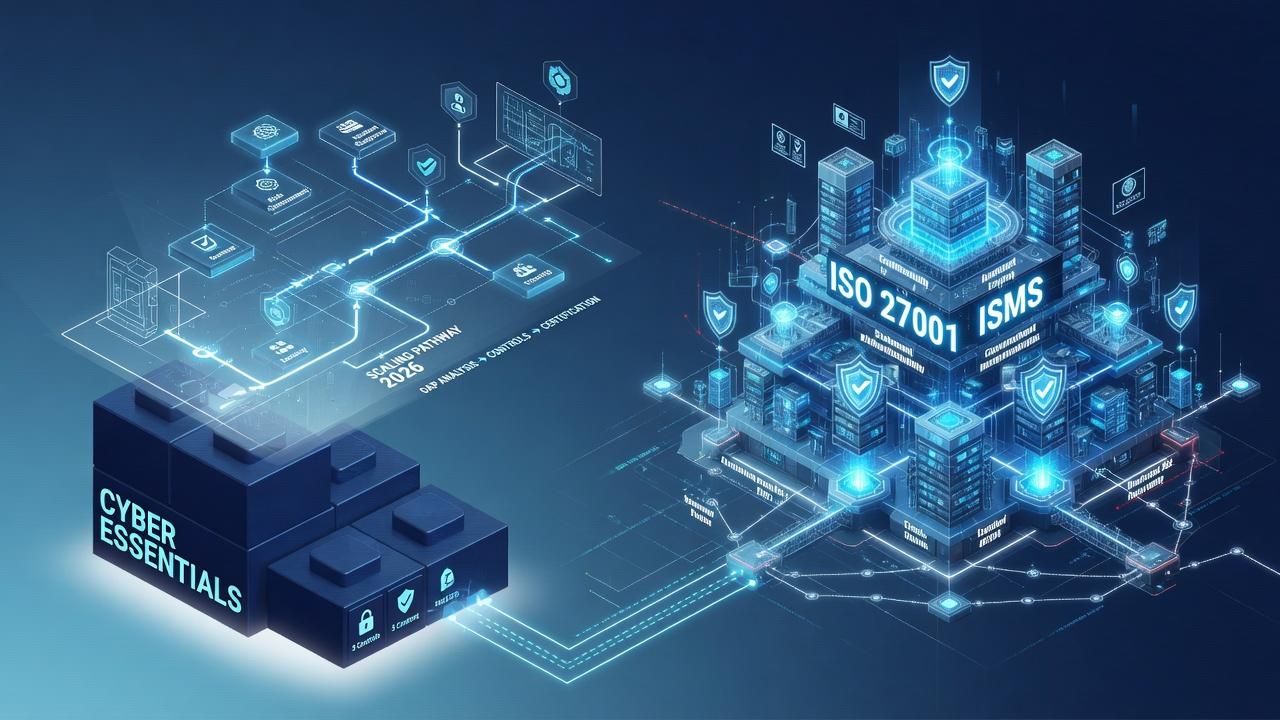
From Hygiene to Governance: How to Scale Cyber Essentials into a Full ISO 27001 ISMS in 2026
Discover how to scale Cyber Essentials into a full ISO 27001 ISMS in 2026. Reuse evidence, map controls, meet DORA & NIS2 rules and win enterprise contracts.
Run Maturity Assessments with GRADUM
Transform your compliance journey with our AI-powered assessment platform
Assess your organization's maturity across multiple standards and regulations including ISO 27001, DORA, NIS2, NIST, GDPR, and hundreds more. Get actionable insights and track your progress with collaborative, AI-powered evaluations.
Explore More Comparisons
See how PMBOK and ISO/IEC 42001:2023 compare against other standards