
BREEAM vs U.S. SEC Cybersecurity Rules
BREEAM
World-leading sustainability certification for built environment
U.S. SEC Cybersecurity Rules
U.S. SEC regulation for cybersecurity risk disclosures
Quick Verdict
BREEAM certifies sustainable buildings for ESG and market value, while U.S. SEC Cybersecurity Rules mandate rapid incident disclosure for investor protection. Developers pursue BREEAM for certification prestige; public firms comply with SEC to avoid penalties and ensure transparency.
BREEAM
Building Research Establishment Environmental Assessment Method
Key Features
- Third-party BRE Global certification and audits
- Weighted credits across 10 sustainability categories
- Multiple schemes for lifecycle and assets
- Evidence-driven with KBCN compliance updates
- Ratings Pass (30%) to Outstanding (85%)
U.S. SEC Cybersecurity Rules
Cybersecurity Risk Management, Strategy, Governance, and Incident Disclosure
Key Features
- Four-business-day material incident disclosure on Form 8-K
- Annual risk management and governance in Regulation S-K Item 106
- Inline XBRL tagging for structured comparability
- Board oversight and management expertise disclosures
- Third-party risk processes inclusion
Detailed Analysis
A comprehensive look at the specific requirements, scope, and impact of each standard.
BREEAM Details
What It Is
BREEAM (Building Research Establishment Environmental Assessment Method) is a mature, science-led sustainability certification framework for the built environment, launched by BRE in 1990. It covers buildings, infrastructure, communities across lifecycles via schemes like New Construction and In-Use. Primary purpose: translate sustainability goals into weighted credits, scores, and ratings (Pass ≥30% to Outstanding ≥85%). Methodology: category-based assessment with evidence requirements and third-party verification.
Key Components
- **10 core categoriesManagement, Health & Wellbeing, Energy, Transport, Water, Materials, Waste, Land Use & Ecology, Pollution, Innovation.
- Credits per issue, weighted by impact (Energy heavily weighted).
- Technical manuals, KBCNs for clarifications.
- **Certification modelLicensed Assessor-led, BRE Global QA audits.
Why Organizations Use It
- Operational savings (22-33% energy), asset premiums (up to 30%).
- Planning incentives, EU Taxonomy alignment, ESG readiness.
- Resilience, health benefits, risk mitigation.
- Market differentiation, investor trust via audited ratings.
Implementation Overview
- Early Assessor appointment, project registration, staged evidence (design/post-construction).
- Modelling, plans, audits.
- All project scales, global with NSO adaptations.
- BRE-issued certification post-QA.
U.S. SEC Cybersecurity Rules Details
What It Is
U.S. SEC Cybersecurity Rules (Release No. 33-11216) is a federal regulation mandating standardized cybersecurity disclosures for public companies. It establishes a prescriptive framework for material cybersecurity incident reporting and ongoing risk management, strategy, and governance transparency, shifting from prior interpretive guidance to auditable requirements under Regulation S-K Item 106 and Form 8-K Item 1.05.
Key Components
- **Incident disclosureForm 8-K Item 1.05 requires reporting material incidents within four business days of materiality determination.
- **Annual disclosuresRegulation S-K Item 106 covers risk processes, board oversight, and management roles in Forms 10-K/20-F.
- Inline XBRL tagging for structured data comparability.
- Built on securities-law materiality principles; no fixed controls but emphasizes processes over technical details.
Why Organizations Use It
Public companies comply to meet legal obligations, protect investors via timely information, enhance capital-market efficiency, and mitigate enforcement risks (e.g., Yahoo, SolarWinds cases). It drives integrated risk management, board accountability, and investor trust through comparable disclosures.
Implementation Overview
Fully effective following phased rollout: incident reporting began Dec 2023 (SRCs June 2024); annual from FYE Dec 2023. Involves cross-functional playbooks, materiality frameworks, governance updates, third-party oversight, and XBRL compliance. Applies to all Exchange Act registrants; no certification but SEC enforcement via disclosure controls.
Key Differences
| Aspect | BREEAM | U.S. SEC Cybersecurity Rules |
|---|---|---|
| Scope | Sustainability in built environment (energy, health, ecology) | Cybersecurity incident disclosure and governance |
| Industry | Construction, real estate, infrastructure globally | Public companies (all sectors) under SEC reporting |
| Nature | Voluntary certification framework with third-party audits | Mandatory SEC regulation with enforcement penalties |
| Testing | Assessor-led evidence review and BRE certification audits | Internal materiality assessment and SEC filing review |
| Penalties | Loss of certification, no legal fines | Civil penalties, enforcement actions, injunctions |
Scope
Industry
Nature
Testing
Penalties
Frequently Asked Questions
Common questions about BREEAM and U.S. SEC Cybersecurity Rules
BREEAM FAQ
U.S. SEC Cybersecurity Rules FAQ
You Might also be Interested in These Articles...
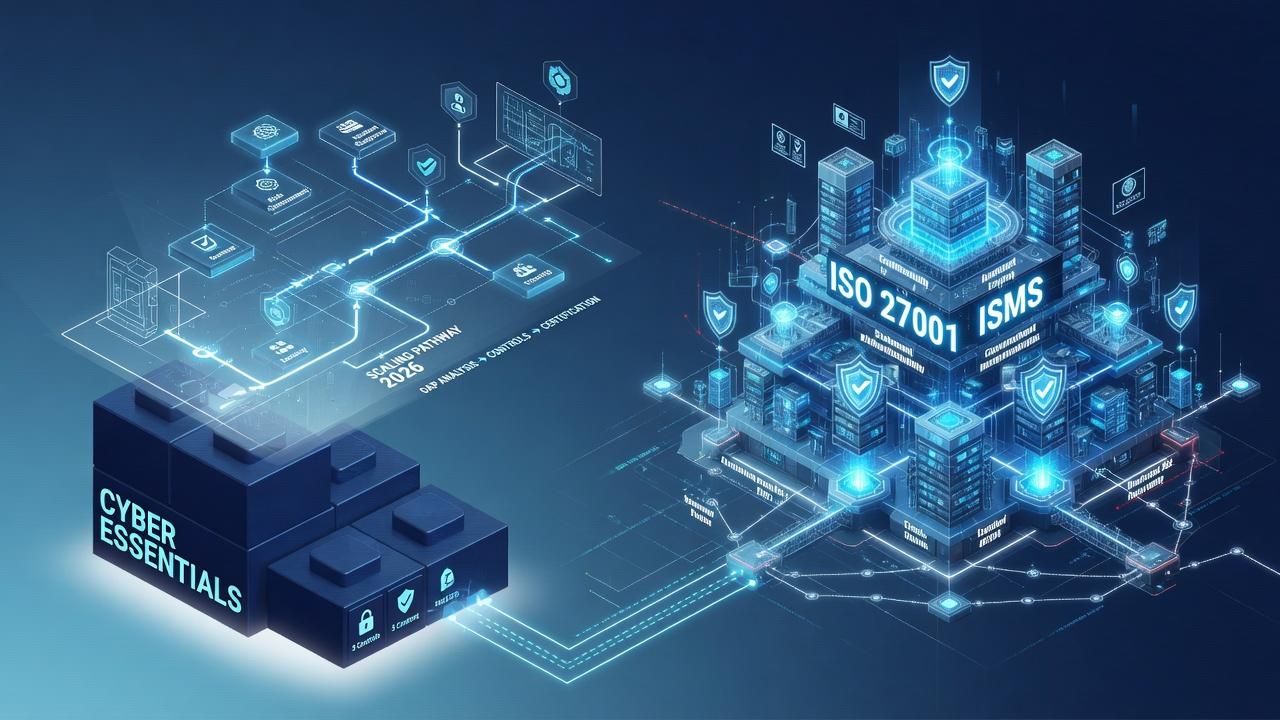
From Hygiene to Governance: How to Scale Cyber Essentials into a Full ISO 27001 ISMS in 2026
Discover how to scale Cyber Essentials into a full ISO 27001 ISMS in 2026. Reuse evidence, map controls, meet DORA & NIS2 rules and win enterprise contracts.

NIST 800-53 Private Sector ROI Uncovered: 2025 Podcast Deep Dive into Control Family Impact on $10M+ Breach Aversions
Uncover NIST 800-53 ROI in healthcare & finance: RA, SI, IR controls break even after 1-2 incidents ($100K-$10M savings). Podcast deep dive with CISO metrics fo

Image this: What if GDPR would have NOT been implemented by the EU
What if the EU never implemented GDPR? Explore this hypothetical: consumer data protection in Dec 2025, key differences, pros/cons for users & companies. Read t
Run Maturity Assessments with GRADUM
Transform your compliance journey with our AI-powered assessment platform
Assess your organization's maturity across multiple standards and regulations including ISO 27001, DORA, NIS2, NIST, GDPR, and hundreds more. Get actionable insights and track your progress with collaborative, AI-powered evaluations.
Explore More Comparisons
See how BREEAM and U.S. SEC Cybersecurity Rules compare against other standards