
ISO 50001 vs ISO/IEC 42001:2023
ISO 50001
International standard for energy management systems
ISO/IEC 42001:2023
International standard for AI management systems.
Quick Verdict
ISO 50001 drives energy efficiency through EnMS and EnPIs for all sectors, while ISO/IEC 42001:2023 governs AI risks via AIMS and AIIAs. Companies adopt them for cost savings, compliance, and trust in energy and AI operations.
ISO 50001
ISO 50001:2018 Energy management systems requirements
Key Features
- Mandates demonstrable continual energy performance improvement via EnPIs
- Annex SL structure enables integration with ISO 9001/14001
- Requires energy review, SEUs, baselines, and data collection plan
- Emphasizes top management accountability without management representative
- Risk-based planning and normalized measurement for accuracy
ISO/IEC 42001:2023
ISO/IEC 42001:2023 Artificial Intelligence Management Systems
Key Features
- PDCA-based framework for AI lifecycle governance
- Mandatory AI Impact Assessments for high-risk systems
- Annex A with 39 AI-specific risk controls
- Third-party supply chain risk management
- Seamless integration with ISO 27001/9001 standards
Detailed Analysis
A comprehensive look at the specific requirements, scope, and impact of each standard.
ISO 50001 Details
What It Is
ISO 50001:2018 is an international certification standard specifying requirements for Energy Management Systems (EnMS). It enables organizations to systematically improve energy performance—efficiency, use, and consumption—across all sectors. The standard follows the Plan-Do-Check-Act (PDCA) cycle and Annex SL high-level structure for alignment with other ISO standards.
Key Components
Core elements include energy policy, comprehensive energy review identifying Significant Energy Uses (SEUs), Energy Performance Indicators (EnPIs), Energy Baselines (EnBs), and a data collection plan. Clauses 4–10 cover context, leadership, planning, support, operation, performance evaluation, and improvement. It mandates documented evidence of continual improvement, with optional certification guided by ISO 50003.
Why Organizations Use It
Organizations adopt it for energy cost savings (4–20%), regulatory compliance, GHG reduction, and supply resilience. It mitigates risks from volatility and climate change, enhances ESG reporting, and provides competitive edges in procurement. Integration reduces duplication in IMS.
Implementation Overview
Phased approach: gap analysis, energy review, planning, deployment of controls/procurement, monitoring, audits, management review. Applicable to all sizes/sectors globally; typical 12–18 months. Certification optional via accredited bodies with Stage 1/2 audits.
ISO/IEC 42001:2023 Details
What It Is
ISO/IEC 42001:2023 is the world's first international standard for Artificial Intelligence Management Systems (AIMS). It provides a certifiable framework for organizations to establish, implement, maintain, and improve AI governance. Its primary purpose is managing AI risks and opportunities responsibly across the full lifecycle, using a Plan-Do-Check-Act (PDCA) methodology and High-Level Structure (HLS) for interoperability.
Key Components
- Clauses 4-10 cover context, leadership, planning, support, operation, evaluation, and improvement.
- Annex A includes 39 AI-specific controls for risks like bias and transparency.
- Built on PDCA and HLS, aligning with ISO 27001/9001.
- Third-party certification via accredited auditors, with 3-year validity and surveillance.
Why Organizations Use It
- Mitigates AI risks (bias, ethics, drift) while enabling innovation.
- Aligns with EU AI Act, NIST RMF; boosts trust and compliance.
- Enhances reputation, procurement advantages, insurance savings.
Implementation Overview
- Phased gap analysis, AIIAs, training; 6-12 months typical.
- Applicable to all sizes/sectors/AI roles; integrates existing MSS. (178 words)
Key Differences
| Aspect | ISO 50001 | ISO/IEC 42001:2023 |
|---|---|---|
| Scope | Energy performance improvement via EnMS | AI risks and governance via AIMS |
| Industry | All sectors worldwide, energy consumers | All sectors worldwide, AI developers/users |
| Nature | Voluntary certification standard | Voluntary certification standard |
| Testing | Stage 1/2 audits, EnPI monitoring | Stage 1/2 audits, AIIA assessments |
| Penalties | Loss of certification, no legal fines | Loss of certification, no legal fines |
Scope
Industry
Nature
Testing
Penalties
Frequently Asked Questions
Common questions about ISO 50001 and ISO/IEC 42001:2023
ISO 50001 FAQ
ISO/IEC 42001:2023 FAQ
You Might also be Interested in These Articles...

Step-by-Step Implementation Guide to ISO 27701: Building a Privacy Information Management System (PIMS) on Your ISO 27001 Foundation
Implement ISO 27701 on your ISO 27001 foundation with this actionable guide. Tackle PII controls, audit evidence, GDPR integration. Templates, checklists for 20
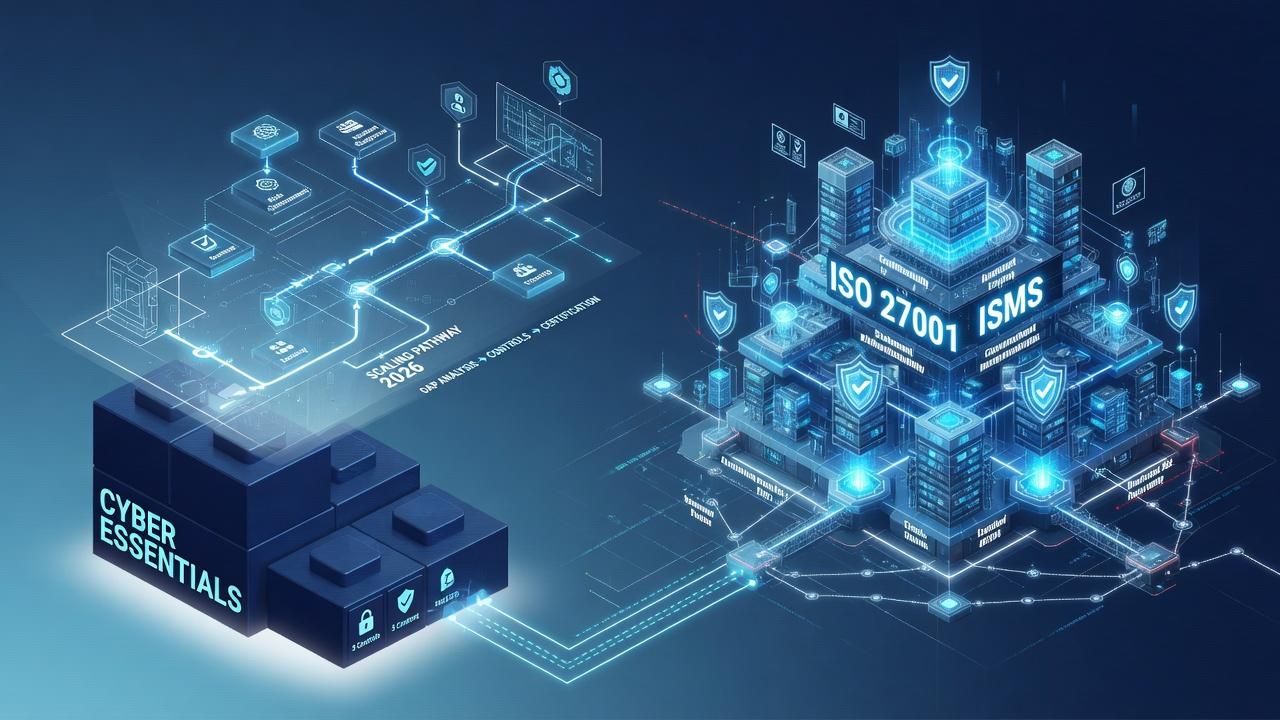
From Hygiene to Governance: How to Scale Cyber Essentials into a Full ISO 27001 ISMS in 2026
Discover how to scale Cyber Essentials into a full ISO 27001 ISMS in 2026. Reuse evidence, map controls, meet DORA & NIS2 rules and win enterprise contracts.

NIST 800-53 Private Sector ROI Uncovered: 2025 Podcast Deep Dive into Control Family Impact on $10M+ Breach Aversions
Uncover NIST 800-53 ROI in healthcare & finance: RA, SI, IR controls break even after 1-2 incidents ($100K-$10M savings). Podcast deep dive with CISO metrics fo
Run Maturity Assessments with GRADUM
Transform your compliance journey with our AI-powered assessment platform
Assess your organization's maturity across multiple standards and regulations including ISO 27001, DORA, NIS2, NIST, GDPR, and hundreds more. Get actionable insights and track your progress with collaborative, AI-powered evaluations.
Explore More Comparisons
See how ISO 50001 and ISO/IEC 42001:2023 compare against other standards