
MLPS 2.0 (Multi-Level Protection Scheme) vs ITIL
MLPS 2.0 (Multi-Level Protection Scheme)
China's mandatory graded protection cybersecurity framework
ITIL
Global framework for IT service management best practices.
Quick Verdict
MLPS 2.0 mandates graded cybersecurity for China networks, enforced by PSBs with fines. ITIL provides voluntary ITSM best practices globally for service efficiency. Chinese operators comply with MLPS legally; worldwide firms adopt ITIL for optimized operations.
MLPS 2.0 (Multi-Level Protection Scheme)
Multi-Level Protection Scheme 2.0 (MLPS 2.0)
Key Features
- Five-level impact-based system classification
- Mandatory registration with Public Security Bureaus
- Graded controls for cloud IoT ICS
- Strict separation of duties requirements
- Ongoing third-party evaluations oversight
ITIL
ITIL 4 IT Service Management Framework
Key Features
- Service Value System (SVS) with 34 flexible practices
- Seven guiding principles for value-focused decisions
- Four dimensions of service management
- Continual improvement model across all elements
- Integration with DevOps, Agile, and Lean
Detailed Analysis
A comprehensive look at the specific requirements, scope, and impact of each standard.
MLPS 2.0 (Multi-Level Protection Scheme) Details
What It Is
MLPS 2.0 (Multi-Level Protection Scheme 2.0) is China's mandatory cybersecurity regulation operationalizing Article 21 of the 2017 Cybersecurity Law. It requires network operators to classify systems into five protection levels based on potential harm to national security, social order, and public interests, implementing graded technical and management controls.
Key Components
- Core standards: GB/T 22239-2019 (basics), GB/T 25070-2019 (technical), GB/T 28448-2019 (evaluation).
- Domains: physical security, network/host protection, data security, monitoring, governance.
- Extensions for cloud, IoT, big data, ICS.
- Compliance via self-assessment, expert review (Level 2+), PSB filing, periodic evaluations (75% pass threshold).
Why Organizations Use It
Legal obligation avoids fines, suspensions; enhances resilience; rationalizes investments; builds trust with regulators, partners. Strategic for China operations, integrates with ISO 27001/NIST.
Implementation Overview
Phased: inventory/grading, gap analysis, remediation, third-party evaluation, ongoing monitoring. Applies to all China network operators; high complexity for multinationals. Requires local expertise, documentation.
ITIL Details
What It Is
ITIL (formerly Information Technology Infrastructure Library, standalone since 2013) is a best-practices framework for IT Service Management (ITSM). Its primary purpose is aligning IT services with business objectives across the full lifecycle, emphasizing value co-creation. ITIL 4 uses a value-driven methodology through the Service Value System (SVS).
Key Components
- Service Value System (SVS): Guiding principles, governance, service value chain (6 activities), 34 practices, continual improvement.
- 34 Practices: 14 general management, 17 service management (e.g., incident, change), 3 technical management.
- Seven Guiding Principles: Focus on value, start where you are, progress iteratively, etc.
- Certification model: PeopleCert-managed, from Foundation to Strategic Leader.
Why Organizations Use It
- Cost efficiencies, reduced downtime, 87% global adoption.
- Risk mitigation (e.g., cyber resilience), compliance alignment (ISO 20000).
- Enhanced customer satisfaction, ROI (up to 38:1).
- Integrates DevOps/Agile, boosts careers/stakeholder trust.
Implementation Overview
- Phased ten-step roadmap: Assessment, gap analysis, role definition, training, integration.
- Tailored for all sizes/industries; voluntary, no audits required. (178 words)
Key Differences
| Aspect | MLPS 2.0 (Multi-Level Protection Scheme) | ITIL |
|---|---|---|
| Scope | Cybersecurity graded protection levels | IT service management practices |
| Industry | China network operators all sectors | Global IT organizations all sizes |
| Nature | Mandatory Chinese regulation enforced | Voluntary best practices framework |
| Testing | Third-party evaluations PSB verification | Self-assessments continual improvement |
| Penalties | Fines operational suspensions blacklisting | No legal penalties lost efficiency |
Scope
Industry
Nature
Testing
Penalties
Frequently Asked Questions
Common questions about MLPS 2.0 (Multi-Level Protection Scheme) and ITIL
MLPS 2.0 (Multi-Level Protection Scheme) FAQ
ITIL FAQ
You Might also be Interested in These Articles...
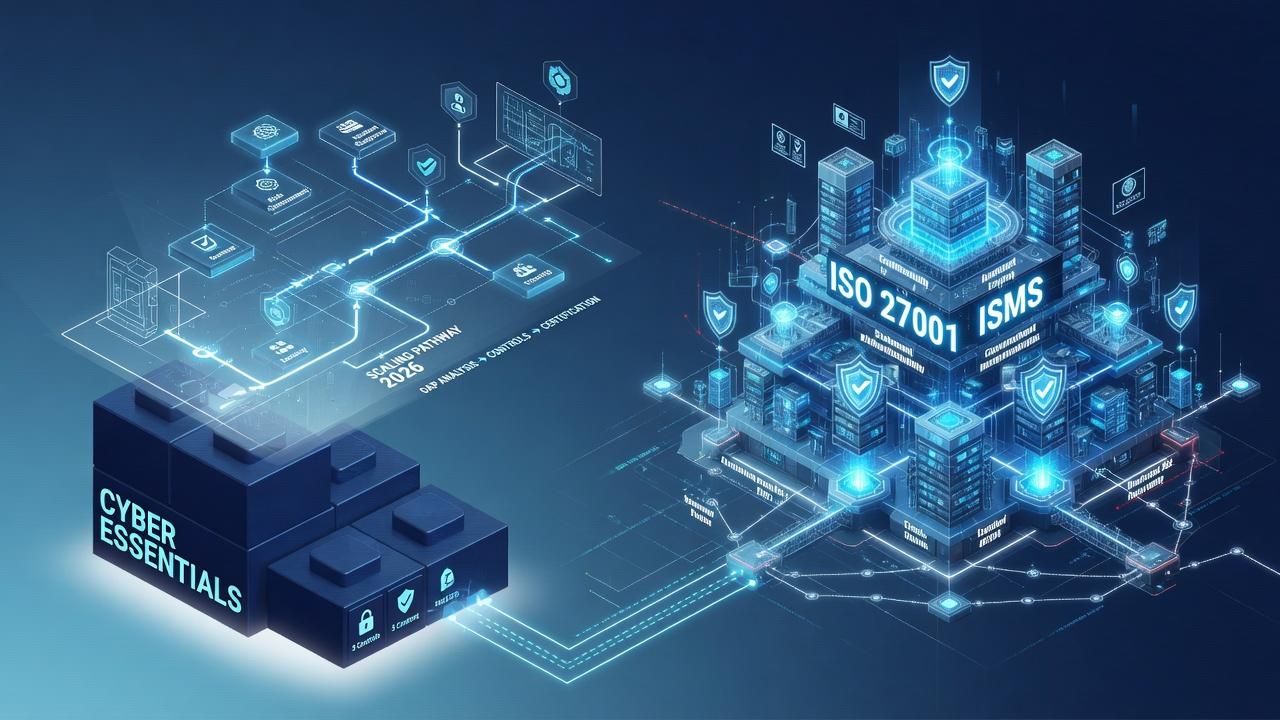
From Hygiene to Governance: How to Scale Cyber Essentials into a Full ISO 27001 ISMS in 2026
Discover how to scale Cyber Essentials into a full ISO 27001 ISMS in 2026. Reuse evidence, map controls, meet DORA & NIS2 rules and win enterprise contracts.
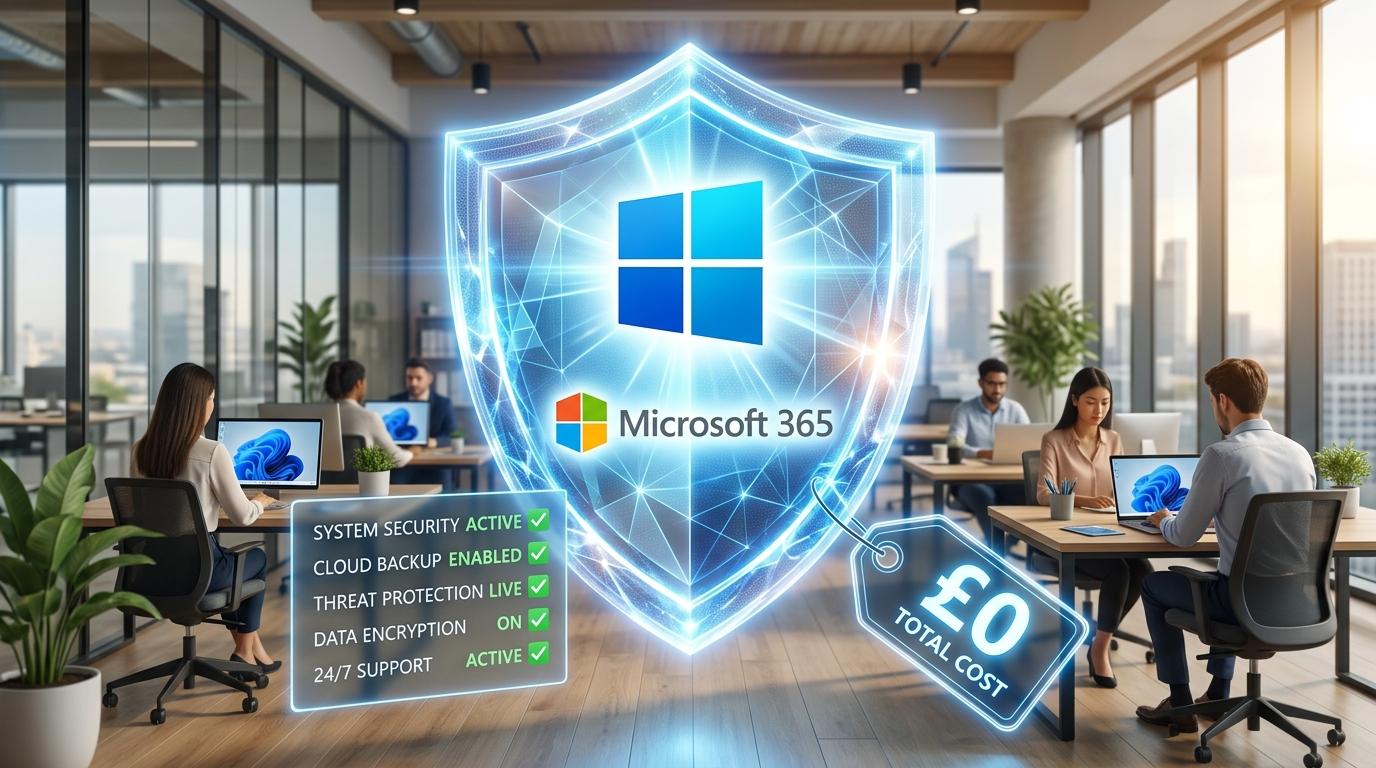
The £0 Cyber Essentials Checklist: How to Secure Windows 11 and Microsoft 365 Using Built-In Tools in 2026
Pass Cyber Essentials in 2026 with this free checklist using only built-in Windows 11 and Microsoft 365 tools. Covers MFA, patching, firewalls and CE+ audit pre

CMMC Cost Calculator: Realistic Budgets for Levels 1-3, C3PAO Fees, and ROI for Small DIB Suppliers
Calculate realistic CMMC costs for Levels 1-3: self-assessments, C3PAO fees, tooling, remediation & ROI. Interactive tool for small DIB suppliers. Get benchmark
Run Maturity Assessments with GRADUM
Transform your compliance journey with our AI-powered assessment platform
Assess your organization's maturity across multiple standards and regulations including ISO 27001, DORA, NIS2, NIST, GDPR, and hundreds more. Get actionable insights and track your progress with collaborative, AI-powered evaluations.
Explore More Comparisons
See how MLPS 2.0 (Multi-Level Protection Scheme) and ITIL compare against other standards