
WELL vs U.S. SEC Cybersecurity Rules
WELL
Certification framework for building occupant health and well-being
U.S. SEC Cybersecurity Rules
U.S. SEC regulation for cybersecurity incident disclosure and governance
Quick Verdict
WELL certifies healthy buildings via performance verification for real estate globally, while U.S. SEC Cybersecurity Rules mandate rapid incident disclosure and governance reporting for public companies to protect investors.
WELL
WELL Building Standard v2
Key Features
- Four-business-day material incident disclosure on Form 8-K
- Annual risk management and governance in Reg S-K Item 106
- Inline XBRL tagging for structured data comparability
- Board oversight and management expertise disclosures
- Third-party risk processes explicitly required
U.S. SEC Cybersecurity Rules
Performance-based system for measuring, certifying, and monitoring building features
Key Features
- Mandatory on-site performance verification testing
- 10 concepts with 24 Preconditions and 102 Optimizations
- Point-based tiers: Bronze 40, Platinum 80 points
- People-first health focus beyond sustainability
- Continuous monitoring for ongoing compliance
Detailed Analysis
A comprehensive look at the specific requirements, scope, and impact of each standard.
WELL Details
What It Is
The WELL Building Standard v2, administered by the International WELL Building Institute (IWBI), is a performance-based certification framework focused on advancing human health and well-being in buildings. Its primary scope covers design, operations, and policies across new and existing structures, emphasizing evidence-based outcomes over environmental efficiency alone.
Key Components
- **10 core conceptsAir, Water, Nourishment, Light, Movement, Thermal Comfort, Sound, Materials, Mind, Community (plus Innovation).
- 24 Preconditions (mandatory pass/fail) and 102 Optimizations (point-earning).
- Built on public health research; certification via Bronze (40 points), Silver (50), Gold (60), Platinum (80) with concept minimums at higher tiers.
Why Organizations Use It
Drives occupant productivity, reduces absenteeism, enhances ESG reporting, and boosts tenant retention via verified health metrics. Voluntary but strategic for competitive differentiation, risk mitigation (e.g., IAQ liabilities), and stakeholder trust.
Implementation Overview
Cross-functional teams conduct gap analysis, scorecard development, documentation, on-site performance verification, and recertification every 3 years. Applicable globally to offices, residential, hospitality; requires third-party review and testing.
U.S. SEC Cybersecurity Rules Details
What It Is
U.S. SEC Cybersecurity Rules (Release No. 33-11216) are federal regulations mandating standardized disclosures for public companies. As a prescriptive disclosure framework, they require timely reporting of material cybersecurity incidents and annual details on risk management, strategy, and governance. The approach is materiality-based, aligned with securities law principles from cases like TSC Industries v. Northway.
Key Components
- **Incident disclosureForm 8-K Item 1.05 (four business days post-materiality determination); Form 6-K for FPIs.
- **Periodic disclosureRegulation S-K Item 106 in Form 10-K (risk processes, governance); Form 20-F Item 16K.
- **Structured dataInline XBRL tagging. No fixed controls; focuses on processes, board oversight, management roles. Compliance via SEC filings, no external certification.
Why Organizations Use It
Enhances investor protection, capital efficiency; mandatory for Exchange Act registrants. Mitigates enforcement risks (e.g., Yahoo, SolarWinds cases), improves comparability. Builds board accountability, integrates cyber into ERM for resilience.
Implementation Overview
Phased: incident reporting from Dec 2023 (SRCs June 2024); annual FYE Dec 2023+. Involves gap analysis, disclosure playbooks, cross-functional committees, IRP updates, TPRM. Applies to all public issuers; no audits but SEC exams/enforcement.
Key Differences
| Aspect | WELL | U.S. SEC Cybersecurity Rules |
|---|---|---|
| Scope | Occupant health in buildings (air, water, light, etc.) | Cybersecurity incident disclosure and governance for public companies |
| Industry | Real estate, construction, all building types globally | Public companies, financial reporting, U.S. securities markets |
| Nature | Voluntary performance-based certification standard | Mandatory SEC regulatory disclosure requirements |
| Testing | On-site performance verification, continuous monitoring | No testing; materiality assessment, disclosure controls |
| Penalties | Loss of certification, no legal penalties | SEC enforcement, fines, civil penalties, injunctions |
Scope
Industry
Nature
Testing
Penalties
Frequently Asked Questions
Common questions about WELL and U.S. SEC Cybersecurity Rules
WELL FAQ
U.S. SEC Cybersecurity Rules FAQ
You Might also be Interested in These Articles...

SOC 2 Audit Survival Guide: 10 Red Flags Auditors Flag and Model Answers for Walkthroughs
Master SOC 2 Type 2 audits with our guide: 10 red flags like incomplete logs/vendor gaps, model walkthrough answers, psychology tips. Pass first-time with <5% e

The NIS2 "FTE Trap": Why 5 Analysts for 24/7 Security is Actually 8 (and Why the Board Needs to Know)
Exposed: NIS2 FTE Trap math shows 5 analysts fail 24/7 coverage due to sickness, training, leave & 2026 churn. Line-by-line breakdown for compliance. Alert your
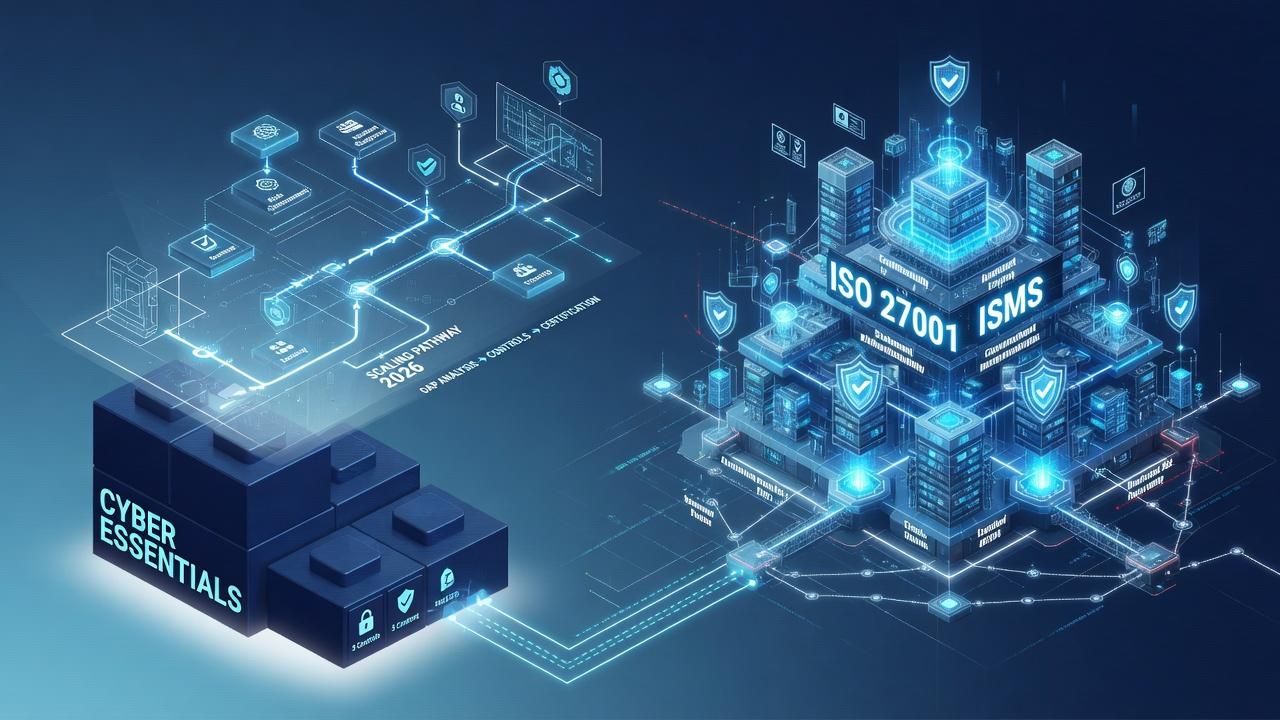
From Hygiene to Governance: How to Scale Cyber Essentials into a Full ISO 27001 ISMS in 2026
Discover how to scale Cyber Essentials into a full ISO 27001 ISMS in 2026. Reuse evidence, map controls, meet DORA & NIS2 rules and win enterprise contracts.
Run Maturity Assessments with GRADUM
Transform your compliance journey with our AI-powered assessment platform
Assess your organization's maturity across multiple standards and regulations including ISO 27001, DORA, NIS2, NIST, GDPR, and hundreds more. Get actionable insights and track your progress with collaborative, AI-powered evaluations.
Explore More Comparisons
See how WELL and U.S. SEC Cybersecurity Rules compare against other standards