
COPPA vs MLPS 2.0 (Multi-Level Protection Scheme)
COPPA
U.S. regulation for protecting children's online privacy under 13
MLPS 2.0 (Multi-Level Protection Scheme)
China's regulation for multi-level network security protection
Quick Verdict
COPPA protects kids under 13 from online data collection via parental consent in US/global apps, while MLPS 2.0 mandates graded cybersecurity for all China networks. Companies adopt COPPA for child privacy compliance; MLPS for legal operations in China.
COPPA
Children's Online Privacy Protection Act (COPPA)
Key Features
- Mandates verifiable parental consent before collecting children's data
- Expansive PII definition includes persistent IDs and geolocation
- Targets child-directed websites, apps, and online services
- FTC enforcement with $51,744 penalties per violation
- Parental rights to access, review, and delete data
MLPS 2.0 (Multi-Level Protection Scheme)
Multi-Level Protection Scheme 2.0
Key Features
- Five impact-based protection levels for systems
- Mandatory PSB registration and audits for Level 2+
- Technical controls for cloud, IoT, big data
- Governance with role separation and training
- Enforcement by Public Security Bureaus
Detailed Analysis
A comprehensive look at the specific requirements, scope, and impact of each standard.
COPPA Details
What It Is
Children's Online Privacy Protection Act (COPPA), enacted 1998 effective 2000, is a U.S. federal regulation enforced by the FTC. It safeguards children under 13 from unauthorized personal data collection by commercial websites, apps, and services. Core approach mandates verifiable parental consent (VPC) prior to collection, use, or disclosure, with strict scope for child-directed operators or those with actual knowledge.
Key Components
- VPC mechanisms: 11+ methods like credit card verification, video calls.
- Broad PII definition: Names, addresses, persistent IDs (IP, device), geolocation, audio/video files.
- Obligations: Privacy notices, data security, parental access/review/deletion rights, data minimization.
- Safe harbor programs (e.g., ESRB, iKeepSafe) for audited compliance under 16 CFR Part 312.
Why Organizations Use It
Avoids crippling FTC penalties ($51,744/violation; YouTube $170M fine). Ensures legal compliance for U.S./global child services, mitigates reputation risks, builds parent trust. Enables safe edtech, gaming, IoT amid rising enforcement.
Implementation Overview
Assess child appeal/actual knowledge; implement age gates, VPC, policies. Key steps: Data audits, secure handling, third-party reviews. Applies to commercial operators targeting U.S. kids; SMBs use tools like Termly, enterprises leverage safe harbors. No formal certification but FTC audits/enforcement.
MLPS 2.0 (Multi-Level Protection Scheme) Details
What It Is
MLPS 2.0 (Multi-Level Protection Scheme) is China's mandatory cybersecurity regulation under the 2017 Cybersecurity Law (Article 21). It is a graded protection framework classifying information systems into five levels based on potential harm to national security, social order, and public interests. The risk-based approach mandates technical, governance, and organizational controls scaled by level.
Key Components
- Core domains: physical security, network protection, data security, access control, monitoring, governance.
- Standards: GB/T 22239-2019 (basics), GB/T 25070-2019 (technical), GB/T 28448-2019 (evaluation).
- Built on impact assessment; Levels 2+ require third-party audits (75/100 score minimum).
- Compliance model: self-classification, PSB filing, periodic re-evaluations.
Why Organizations Use It
- Legal obligation for all China network operators; avoids fines, suspensions.
- Enhances resilience, aligns with data laws (DSL, PIPL).
- Builds regulator trust, enables market access.
Implementation Overview
- Phased: scoping, classification, gap analysis, remediation, audits, ongoing monitoring.
- Applies to all sizes/industries in China; Level 3+ needs annual audits. (178 words)
Key Differences
| Aspect | COPPA | MLPS 2.0 (Multi-Level Protection Scheme) |
|---|---|---|
| Scope | Children's online privacy, data collection under 13 | |
| Industry | Websites/apps targeting kids, global if US data | |
| Nature | US federal law, FTC enforced, mandatory | |
| Testing | Self-compliance, FTC audits/investigations | |
| Penalties | $43k per violation, e.g. YouTube $170M |
Scope
Industry
Nature
Testing
Penalties
Frequently Asked Questions
Common questions about COPPA and MLPS 2.0 (Multi-Level Protection Scheme)
COPPA FAQ
MLPS 2.0 (Multi-Level Protection Scheme) FAQ
You Might also be Interested in These Articles...
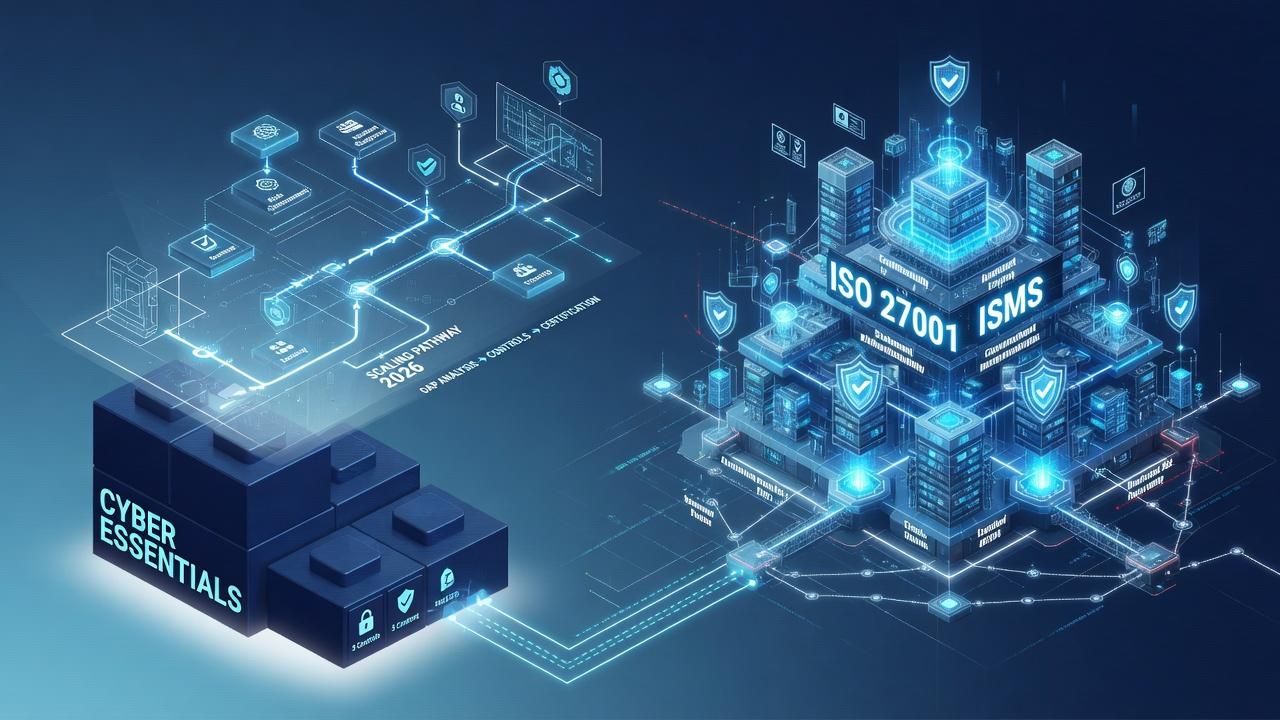
From Hygiene to Governance: How to Scale Cyber Essentials into a Full ISO 27001 ISMS in 2026
Discover how to scale Cyber Essentials into a full ISO 27001 ISMS in 2026. Reuse evidence, map controls, meet DORA & NIS2 rules and win enterprise contracts.

Scaling Compliance: How Modern Tools Transform Lean Teams into Regulatory Powerhouses
Discover how compliance monitoring tools empower lean teams to automate real-time checks, ensure GDPR/HIPAA/SOC 2 compliance, and scale oversight efficiently. T

Thailand PDPA Enforcement Trends 2025: Analyzing 1,048 Complaints, Breach Volumes, and Hidden Lessons for Proactive Compliance
Decode PDPC Thailand's 1,048 complaints & 610 breaches. Uncover consent/security violations, project 2025 enforcement. Risk heatmap, self-assessment & playbook
Run Maturity Assessments with GRADUM
Transform your compliance journey with our AI-powered assessment platform
Assess your organization's maturity across multiple standards and regulations including ISO 27001, DORA, NIS2, NIST, GDPR, and hundreds more. Get actionable insights and track your progress with collaborative, AI-powered evaluations.
Explore More Comparisons
See how COPPA and MLPS 2.0 (Multi-Level Protection Scheme) compare against other standards