
ISO 41001 vs ISO 28000
ISO 41001
International standard for facility management systems
ISO 28000
International standard for supply chain security management systems.
Quick Verdict
ISO 41001 provides facility management systems for effective FM delivery supporting organizational objectives, while ISO 28000 establishes security management systems for supply chain risk mitigation. Organizations adopt them for certification, compliance, efficiency, and resilience in FM and logistics.
ISO 41001
ISO 41001:2018 Facility management — Management systems — Requirements
Key Features
- Distinguishes FM organization from demand organization
- Aligns with High-Level Structure for IMS integration
- Mandates stakeholder requirement lifecycle management
- Embeds business continuity in risk planning
- Requires integrated service delivery coordination
ISO 28000
ISO 28000:2022 Security management systems — Requirements
Key Features
- Risk-based supply chain security assessment and treatment
- PDCA cycle for continual SMS improvement
- Controls for external providers and processes
- Structured security plans and incident response
- Integration with ISO 31000 and 22301 standards
Detailed Analysis
A comprehensive look at the specific requirements, scope, and impact of each standard.
ISO 41001 Details
What It Is
ISO 41001:2018 is an international certification standard for facility management systems (FMS). It specifies requirements to demonstrate effective FM delivery supporting demand organization objectives, stakeholder needs, and sustainability. Built on High-Level Structure (HLS) and PDCA cycle, it applies risk-based planning across Clauses 4-10.
Key Components
- Core clauses: Context, Leadership, Planning, Support, Operation, Performance Evaluation, Improvement.
- FM-specific: Stakeholder mapping, service integration, demand organization alignment.
- Principles: Risk/opportunity management, continual improvement, documented information.
- Certification via accredited third-party audits.
Why Organizations Use It
- Strategic alignment elevates FM to executive capability.
- Reduces costs, risks, downtime; improves wellbeing, ESG compliance.
- Enables IMS integration, competitive tenders, stakeholder trust.
- Voluntary but demanded in contracts/procurement.
Implementation Overview
- Phased: Gap analysis, policy/objectives, processes, audits, certification.
- 6-24 months typical; suits all sizes/sectors.
- In-house/outsourced FM; ongoing surveillance audits.
ISO 28000 Details
What It Is
ISO 28000:2022 is an international standard specifying requirements for a security management system (SMS) focused on supply chain security. It adopts a risk-based, PDCA (Plan-Do-Check-Act) approach to manage threats like theft, sabotage, and disruptions.
Key Components
- Clauses 4-10 cover context, leadership, planning, support, operation, evaluation, improvement.
- Emphasizes risk assessment (aligned with ISO 31000), operational controls, security plans.
- No fixed controls; tailored via risk treatment.
- Supports certification per ISO/IEC 17021 guidelines.
Why Organizations Use It
- Reduces supply chain risks and incidents.
- Meets contractual, regulatory needs (e.g., customs programs).
- Enhances resilience, insurance savings, market access.
- Builds stakeholder trust via audits.
Implementation Overview
- Phased: gap analysis, risk assessment, controls, training, audits.
- Scalable for all sizes/industries; integrates with ISO 9001/22301.
- Certification involves Stage 1/2 audits, surveillance.
Key Differences
| Aspect | ISO 41001 | ISO 28000 |
|---|---|---|
| Scope | Facility management systems | Supply chain security management |
| Industry | All sectors, FM providers in-house/outsourced | Logistics, manufacturing, any supply chain |
| Nature | Voluntary certifiable management standard | Voluntary certifiable management standard |
| Testing | Internal audits, management reviews, certification | Internal audits, management reviews, certification |
| Penalties | Loss of certification, no legal penalties | Loss of certification, no legal penalties |
Scope
Industry
Nature
Testing
Penalties
Frequently Asked Questions
Common questions about ISO 41001 and ISO 28000
ISO 41001 FAQ
ISO 28000 FAQ
You Might also be Interested in These Articles...

NIST SP 800-53 Rev 5.1 Private Sector Tailoring Blueprint: First 5 Steps to Overlay-Driven Compliance with Infographic
Step-by-step blueprint for private sector NIST SP 800-53 Rev 5.1 tailoring using overlays for AI & supply chain risks. Infographic + first 5 steps for ROI-drive

Top 5 Reasons TISAX Tabletop Exercises Prevent €10M+ Supply Chain Breaches for ADAS Tier 1 Suppliers in 2025
Unlock top 5 reasons TISAX tabletop exercises deliver 4:1 ROI preventing €10M+ supply chain breaches for ADAS Tier 1 suppliers. ENX case studies & VDA ISA contr
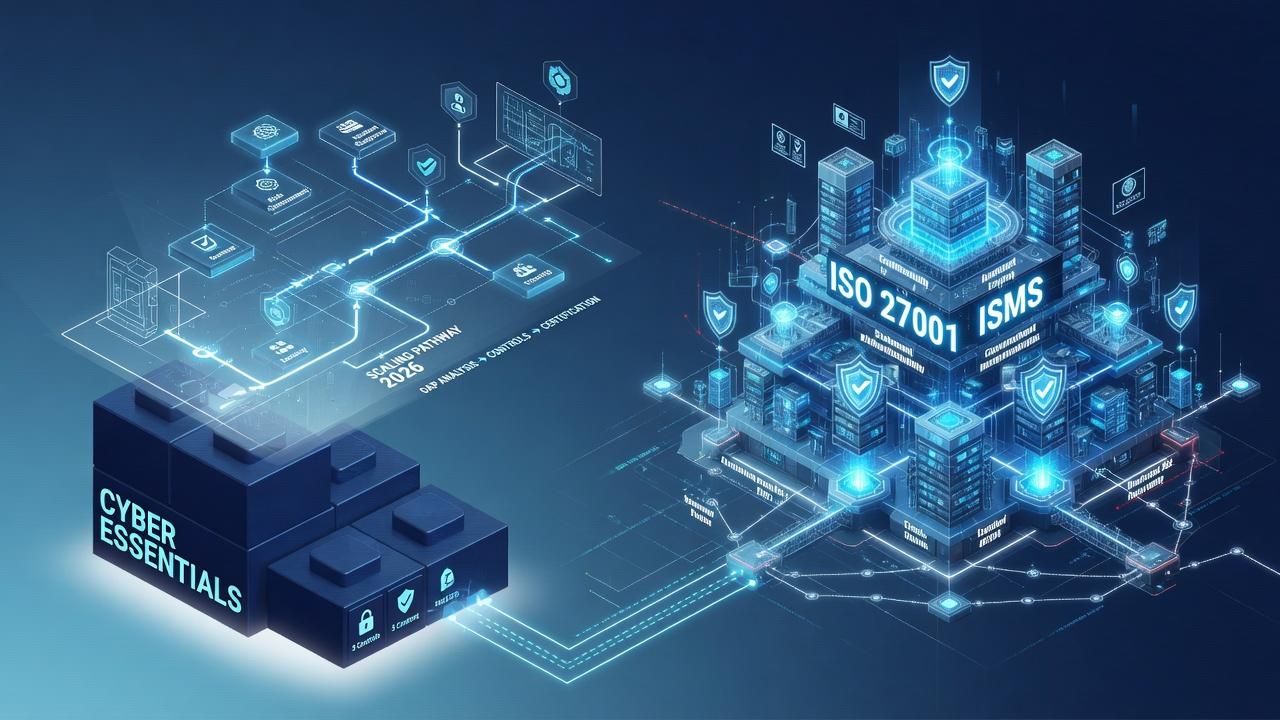
From Hygiene to Governance: How to Scale Cyber Essentials into a Full ISO 27001 ISMS in 2026
Discover how to scale Cyber Essentials into a full ISO 27001 ISMS in 2026. Reuse evidence, map controls, meet DORA & NIS2 rules and win enterprise contracts.
Run Maturity Assessments with GRADUM
Transform your compliance journey with our AI-powered assessment platform
Assess your organization's maturity across multiple standards and regulations including ISO 27001, DORA, NIS2, NIST, GDPR, and hundreds more. Get actionable insights and track your progress with collaborative, AI-powered evaluations.
Explore More Comparisons
See how ISO 41001 and ISO 28000 compare against other standards