
ISO 13485 vs 23 NYCRR 500
ISO 13485
International standard for medical device quality management systems
23 NYCRR 500
NY regulation for financial services cybersecurity.
Quick Verdict
ISO 13485 provides QMS certification for global medical device makers ensuring lifecycle compliance, while 23 NYCRR 500 mandates cybersecurity for NY financial entities with strict reporting. Companies adopt ISO for market access; NYCRR to avoid fines.
ISO 13485
ISO 13485:2016 Medical devices Quality management systems
Key Features
- Risk-based QMS controls for device safety
- Regulatory requirements integration across lifecycle
- Mandatory process validation and traceability
- Post-market surveillance and complaint handling
- Justified exclusions from product realization
23 NYCRR 500
23 NYCRR Part 500 Cybersecurity Regulation
Key Features
- Annual CEO/CISO dual-signature compliance certification
- 72-hour notification for material cybersecurity incidents
- Risk-based cybersecurity program and assessments
- Phishing-resistant MFA for privileged and remote access
- Third-party service provider security policy and oversight
Detailed Analysis
A comprehensive look at the specific requirements, scope, and impact of each standard.
ISO 13485 Details
What It Is
ISO 13485:2016 is an international certification standard specifying requirements for quality management systems (QMS) in medical device organizations. It applies to lifecycle stages from design to disposal, emphasizing risk-based controls, regulatory compliance, and consistent device safety/performance.
Key Components
- Clauses 4-8 cover QMS/documentation, management responsibility, resources, product realization, and measurement/improvement.
- Over 100 requirements including process validation, traceability, CAPA, and supplier controls.
- Built on process approach with ISO 9001 compatibility but enhanced for regulatory needs.
- Third-party certification via accredited bodies with stage 1/2 audits and surveillance.
Why Organizations Use It
- Enables market access under EU MDR, FDA QMSR (2026).
- Reduces risks like recalls via validation and post-market surveillance.
- Builds stakeholder trust, supply chain assurance, and competitive edge.
Implementation Overview
- Phased: gap analysis, process design, validation, audits (9-18 months typical).
- Suits manufacturers, suppliers, SMEs to multinationals.
- Requires eQMS tools, training, and management reviews for certification.
23 NYCRR 500 Details
What It Is
23 NYCRR Part 500 is the New York Department of Financial Services (NYDFS) Cybersecurity Regulation, a state-level mandate for financial entities. It establishes minimum risk-based cybersecurity requirements to protect nonpublic information (NPI) and information systems, applying to Covered Entities like banks, insurers, and mortgage firms operating in New York.
Key Components
- 14 core requirements including cybersecurity program, CISO appointment, risk assessments, MFA, encryption, penetration testing, and incident response.
- Built on risk assessment-centric architecture with governance (dual CEO/CISO certification), technical controls, TPSP oversight, and 72-hour reporting.
- Annual April 15 certification with five-year record retention; Class A companies face enhanced audits.
Why Organizations Use It
- Mandatory compliance avoids multimillion-dollar fines (e.g., Robinhood $30M).
- Enhances resilience, reduces incident risk, builds stakeholder trust.
- Provides competitive edge in vendor selection and insurance.
Implementation Overview
- Phased approach: gap analysis, asset inventory, MFA rollout, TPSP contracts.
- Targets NY-licensed financial services; scalable by size/complexity.
- No external certification but DFS examinations and evidence retention required. (178 words)
Key Differences
| Aspect | ISO 13485 | 23 NYCRR 500 |
|---|---|---|
| Scope | Medical device QMS lifecycle | Financial services cybersecurity |
| Industry | Global medical devices | NY financial services licensees |
| Nature | Voluntary certification standard | Mandatory state regulation |
| Testing | Internal audits, process validation | Annual pen testing, vulnerability scans |
| Penalties | Loss of certification | Fines, consent orders, enforcement |
Scope
Industry
Nature
Testing
Penalties
Frequently Asked Questions
Common questions about ISO 13485 and 23 NYCRR 500
ISO 13485 FAQ
23 NYCRR 500 FAQ
You Might also be Interested in These Articles...

CIS Controls v8.1, Operationalized: Top 10 Reasons Compliance Monitoring Software Accelerates Real-World Implementation
Operationalize CIS Controls v8.1 with compliance monitoring software. Turn checklists into dashboards, tickets, and audit-proof workflows. Top 10 reasons it acc
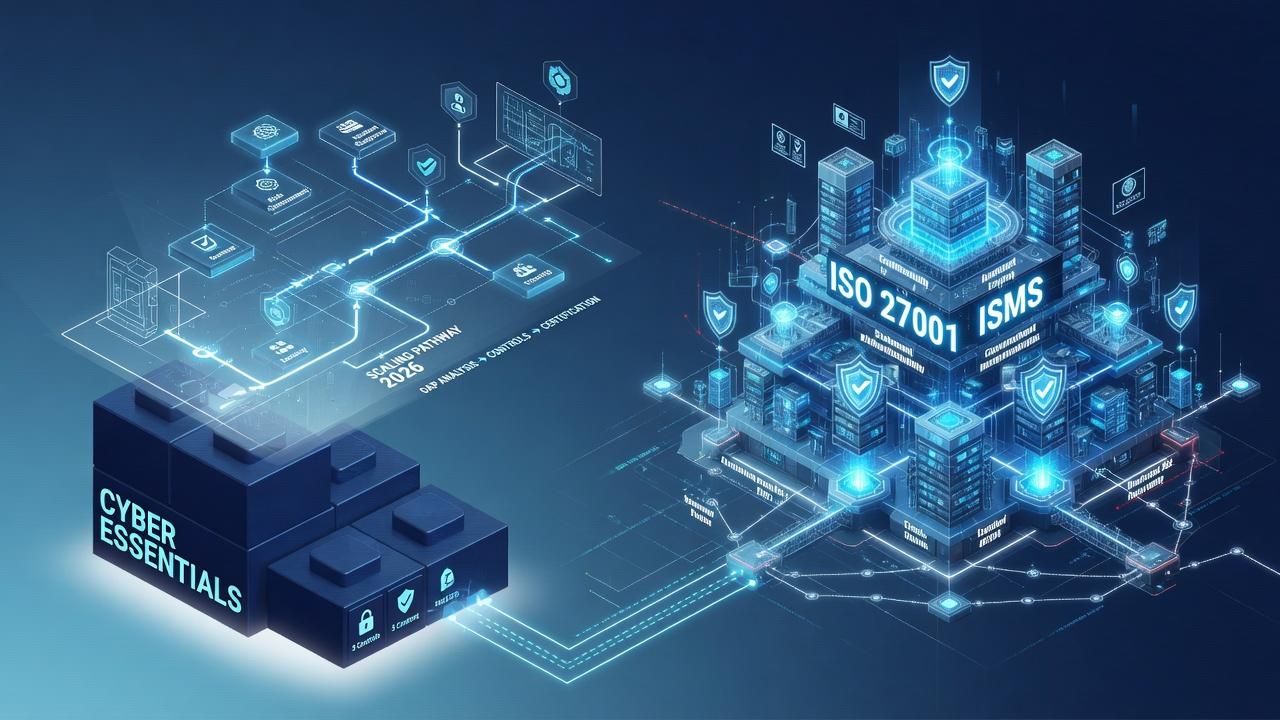
From Hygiene to Governance: How to Scale Cyber Essentials into a Full ISO 27001 ISMS in 2026
Discover how to scale Cyber Essentials into a full ISO 27001 ISMS in 2026. Reuse evidence, map controls, meet DORA & NIS2 rules and win enterprise contracts.

From Reactive Gatekeeper to Proactive Strategist: How Compliance Software Reshapes the Compliance Professional's Day
Discover how compliance software automates monitoring, delivers real-time insights, and transforms compliance pros from reactive gatekeepers to proactive strate
Run Maturity Assessments with GRADUM
Transform your compliance journey with our AI-powered assessment platform
Assess your organization's maturity across multiple standards and regulations including ISO 27001, DORA, NIS2, NIST, GDPR, and hundreds more. Get actionable insights and track your progress with collaborative, AI-powered evaluations.
Explore More Comparisons
See how ISO 13485 and 23 NYCRR 500 compare against other standards